Chaînes de valeur mondiales : la place encore périphérique du Sénégal
Senegal primarily exports raw or minimally processed products. However, in international trade, the processing, packaging, and distribution stages account for the largest share of added value. This structural configuration partly explains why export revenues are growing more slowly than the country's productive potential.
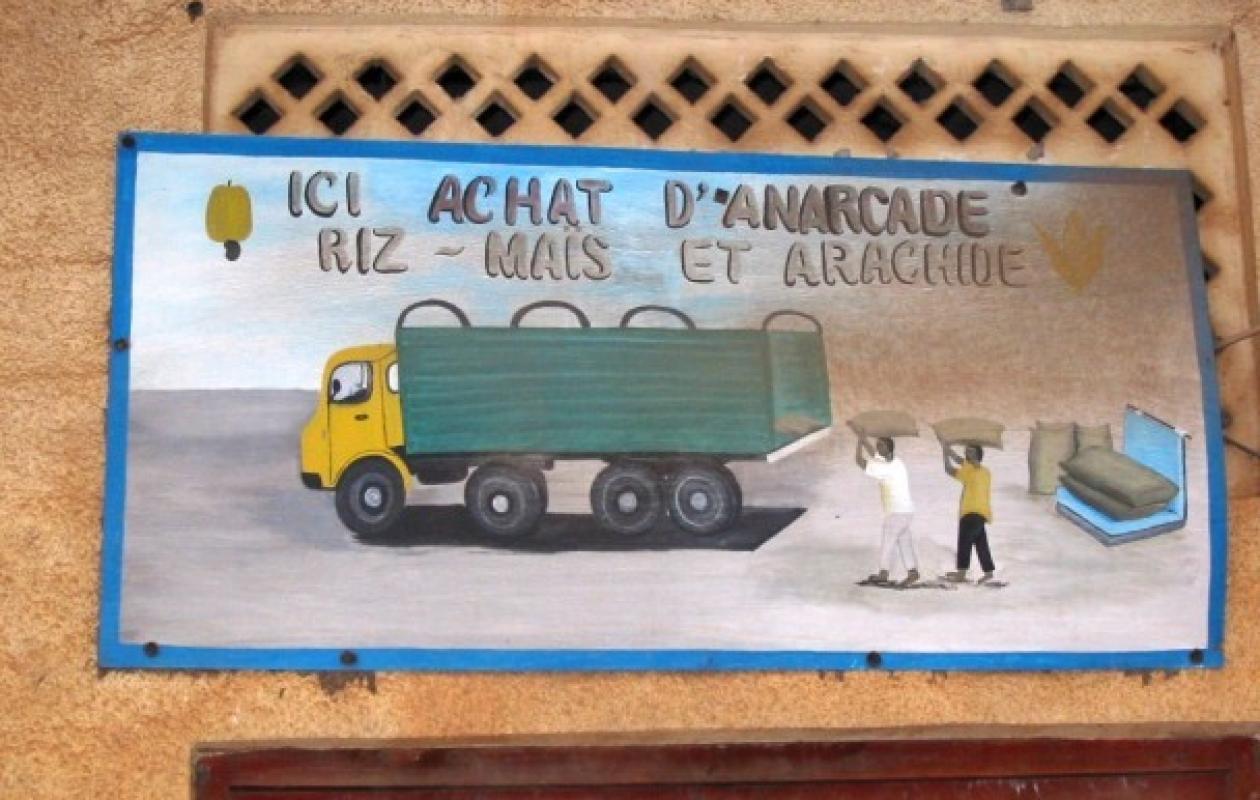
Foreign trade statistics show that Senegalese exports remain dominated by gold, unprocessed fish products, phosphoric acid, refined petroleum products, and certain agricultural commodities such as peanuts and cashew nuts. Local processing remains limited, particularly in the food processing and manufacturing sectors. According to data from the Directorate of Forecasting and Economic Studies, the manufacturing sector's share of the gross domestic product hovers around 12%, a modest level compared to emerging economies that have successfully industrialized.
Several factors explain this situation. Energy is one of the primary obstacles. Despite recent progress in electricity production, the cost per kilowatt-hour remains high for manufacturers compared to some competing countries in Asia or North Africa. Energy-intensive industries, such as canning, light metallurgy, and agricultural processing, see their competitiveness directly impacted by these costs.
Logistical constraints also play a crucial role. Domestic transport, storage, and the cold chain remain underdeveloped in some regions. While an agricultural producer can export raw nuts to Asia through a relatively simple route, processing these products locally requires more complex infrastructure, equipment, and industrial organization. The port of Dakar has been modernized, but the integration between production areas and industrial platforms still needs improvement.
The issue of financing completes this picture. Manufacturing industries require significant investments in machinery, certification, and standardization. However, access to long-term credit remains limited, particularly for small and medium-sized enterprises. Banks often favor fast-moving commercial activities over industrial projects that take several years to become profitable.
In addition to these constraints, there is the very structure of global value chains. Multinationals frequently control the high value-added stages, while raw material producing countries remain confined to the initial segments. To integrate differently into these chains, a coherent industrial policy, targeted incentives, and a stable regulatory environment are necessary.
The economic consequences are significant. Exporting raw materials means importing processed goods at higher prices. This puts a strain on the trade balance and limits the creation of skilled industrial jobs. Local processing, on the other hand, would generate more revenue, develop technical skills, and broaden the tax base.
Initiatives do exist. Special economic zones, agricultural transformation programs, and tax incentives have been established to encourage industrialization. The prospects linked to oil and gas production also offer opportunities for more competitive energy supply in the medium term. But moving upmarket cannot be decreed. It requires coordination between energy policy, industrial financing, vocational training, and logistical integration.
The low volume of processed products in Senegalese exports is therefore not due to a lack of resources. It reflects a combination of structural constraints and the country's positioning in international trade. The challenge is not simply to export more, but to export differently, capturing a larger share of the value created.























Commentaires (6)
Participer à la Discussion
Règles de la communauté :
💡 Astuce : Utilisez des emojis depuis votre téléphone ou le module emoji ci-dessous. Cliquez sur GIF pour ajouter un GIF animé. Collez un lien X/Twitter, TikTok ou Instagram pour l'afficher automatiquement.