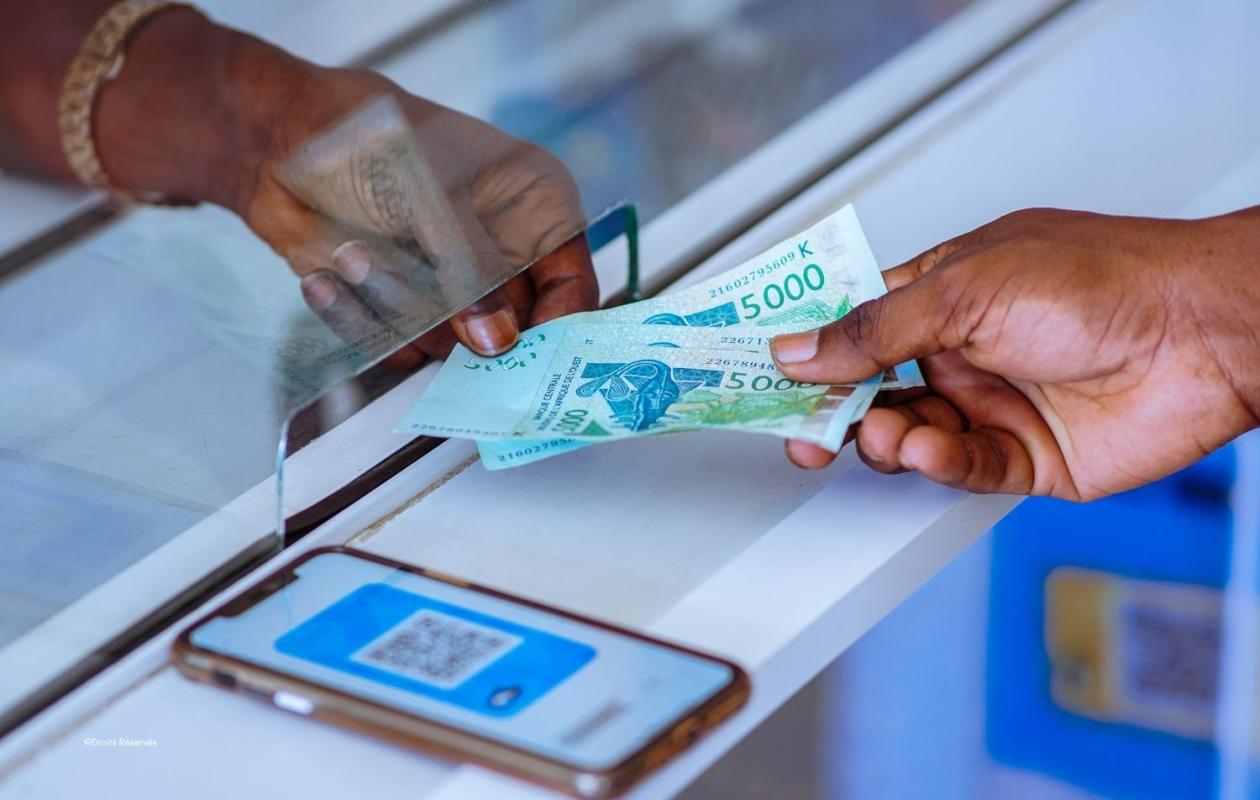
Comprendre l’argent reste l’un des angles morts de l’inclusion financière
Access to banking services is progressing rapidly in West Africa, but this progress does not guarantee that households are using these tools optimally. Opening an account, taking out a loan, or investing savings requires an understanding of basic financial mechanisms. However, this financial literacy remains limited among a large segment of the population, including those already integrated into the banking system.
Financial literacy refers to the ability to understand concepts such as interest rates, the true cost of credit, the risks associated with over-indebtedness, and the benefits of regular savings. It also allows individuals to compare financial products, better anticipate certain expenses, and avoid costly long-term choices.
In several countries in the region, the growth of mobile money, microfinance, and digital credit has expanded access to financial services for millions of people. Platforms like Wave, Orange Money, and Free Money have facilitated payments, transfers, and sometimes access to small loans. However, this simplicity can also mask high costs or risks that are poorly understood by users.
Many households don't fully understand the repayment terms, late payment penalties, or the total cost of a loan. Some take out multiple loans simultaneously without assessing their repayment capacity. Others favor low-yield investments, keep their savings in cash, or invest in unsafe, informal channels.
This lack of financial literacy weighs particularly heavily on low-income households, who have limited financial flexibility. A miscalculation, an incorrectly assessed loan, or a poorly chosen investment can quickly jeopardize a family's financial stability. Those least informed are also the most vulnerable to scams, fraudulent schemes, and unrealistic promises of returns.
According to surveys by the World Bank and the OECD, basic financial literacy remains low in many African countries. A significant proportion of adults do not know how to calculate simple interest, compare two financial products, or distinguish between a monthly and an annual interest rate.
This situation also limits the impact of financial inclusion on the economy. A household that better understands the mechanisms of credit, savings, or insurance is more likely to invest in productive activities, better manage its income, and prepare for certain risks. Conversely, financial inclusion without support can lead to increased debt, inefficient savings, and lasting distrust of financial institutions.
Financial education, therefore, remains an often-overlooked element of economic policy. Developing bank accounts, digital services, and access to credit is helpful, but it is not enough. Without a better understanding of financial products, access to these services can sometimes create as many vulnerabilities as it provides solutions.






















Commentaires (1)
Participer à la Discussion
Règles de la communauté :
💡 Astuce : Utilisez des emojis depuis votre téléphone ou le module emoji ci-dessous. Cliquez sur GIF pour ajouter un GIF animé. Collez un lien X/Twitter, TikTok ou Instagram pour l'afficher automatiquement.