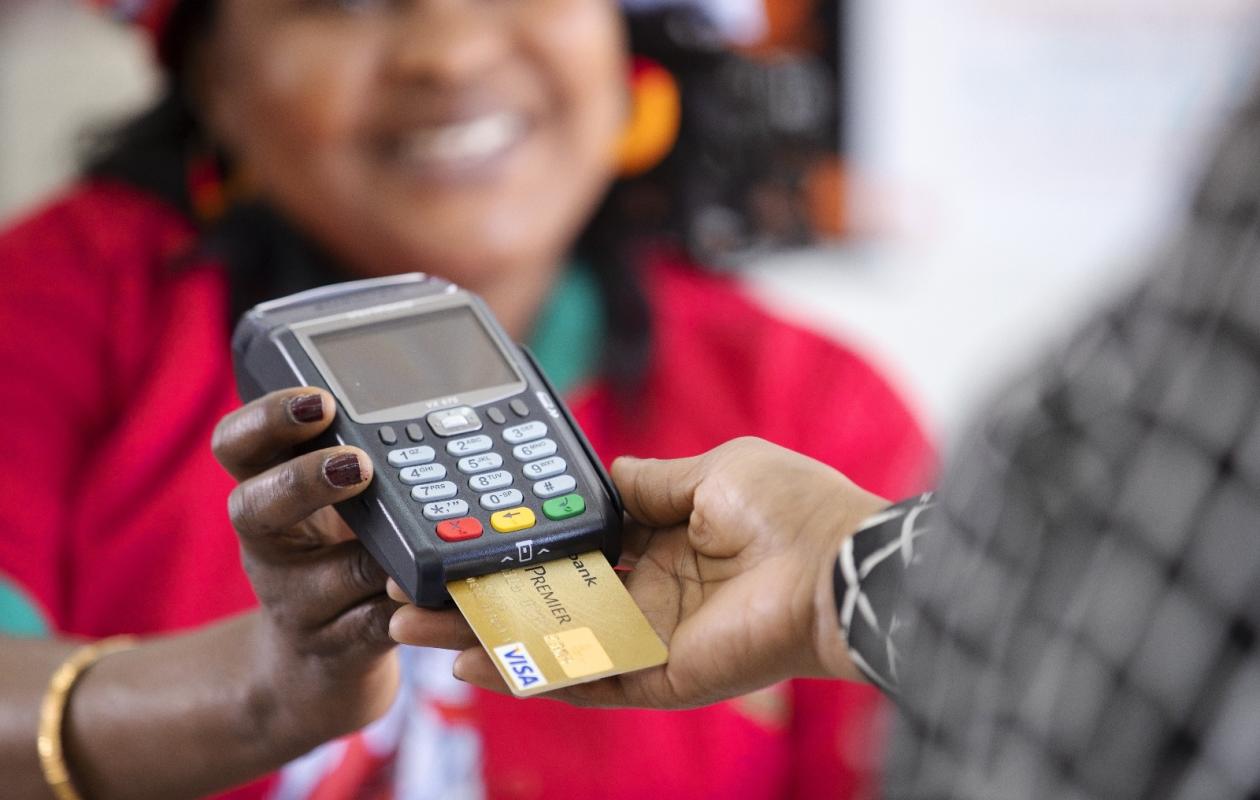
Derrière les chiffres de la bancarisation, une utilisation encore très partielle
West Africa has seen rapid growth in banking penetration for several years. The opening of bank accounts, the development of mobile money, and the rise of digital financial services give the impression of significantly improved financial inclusion. However, behind this increase in the number of accounts, the actual use of these services often remains more limited than it appears.
According to the World Bank's Global Findex 2021 database, 56% of adults in sub-Saharan Africa now have an account with a bank, microfinance institution or mobile money service, compared to 42% in 2017. This growth has been particularly rapid in countries where mobile payment services have developed, such as Kenya, Ghana or Senegal.
In Senegal, figures from the Central Bank of West African States (BCEAO) show that the overall financial inclusion rate exceeded 71% in 2023 when banks, microfinance, and digital financial services are combined. Mobile money plays a major role in this development thanks to platforms like Wave, Orange Money, and Free Money. These tools facilitate access to payments, money transfers, and certain forms of savings.
But these figures mask a more nuanced reality. Many accounts are opened but not actually used. Some are used solely to receive a salary, social assistance, or a family transfer before being immediately emptied. Others remain inactive for several months. According to the World Bank, nearly a third of accounts opened in sub-Saharan Africa are rarely used or completely dormant.
Access to financial services does not automatically translate into access to credit, formal savings, or insurance. A large proportion of households continue to operate primarily with cash. Many small traders, artisans, and informal workers have mobile money accounts but do not use them to borrow, invest, or secure their savings. Fees, low trust in financial institutions, irregular income, and a lack of financial literacy partly explain this situation.
This gap between access and actual use is also reflected in the low recourse to formal credit. In several WAEMU countries, less than 15% of adults have ever borrowed from a bank or financial institution. Financial services often remain focused on payments and transfers rather than on more sophisticated products capable of supporting investment or household resilience.
Banking penetration is indeed progressing, but it remains partial. Opening an account is a first step. Real change then requires regular use of financial services, better access to credit, savings, and insurance, as well as greater trust in institutions. As long as these aspects remain limited, the increase in the number of accounts will continue to present a picture that is sometimes more flattering than reality.
















Commentaires (1)
Participer à la Discussion
Règles de la communauté
💡 Astuce : Utilisez des emojis depuis votre téléphone ou le module emoji ci-dessous. Cliquez sur GIF pour ajouter un GIF animé. Collez un lien X/Twitter, TikTok ou Instagram pour l'afficher automatiquement.
Se connecter
Commentez avec votre profil, votre photo, et soyez averti des réponses.