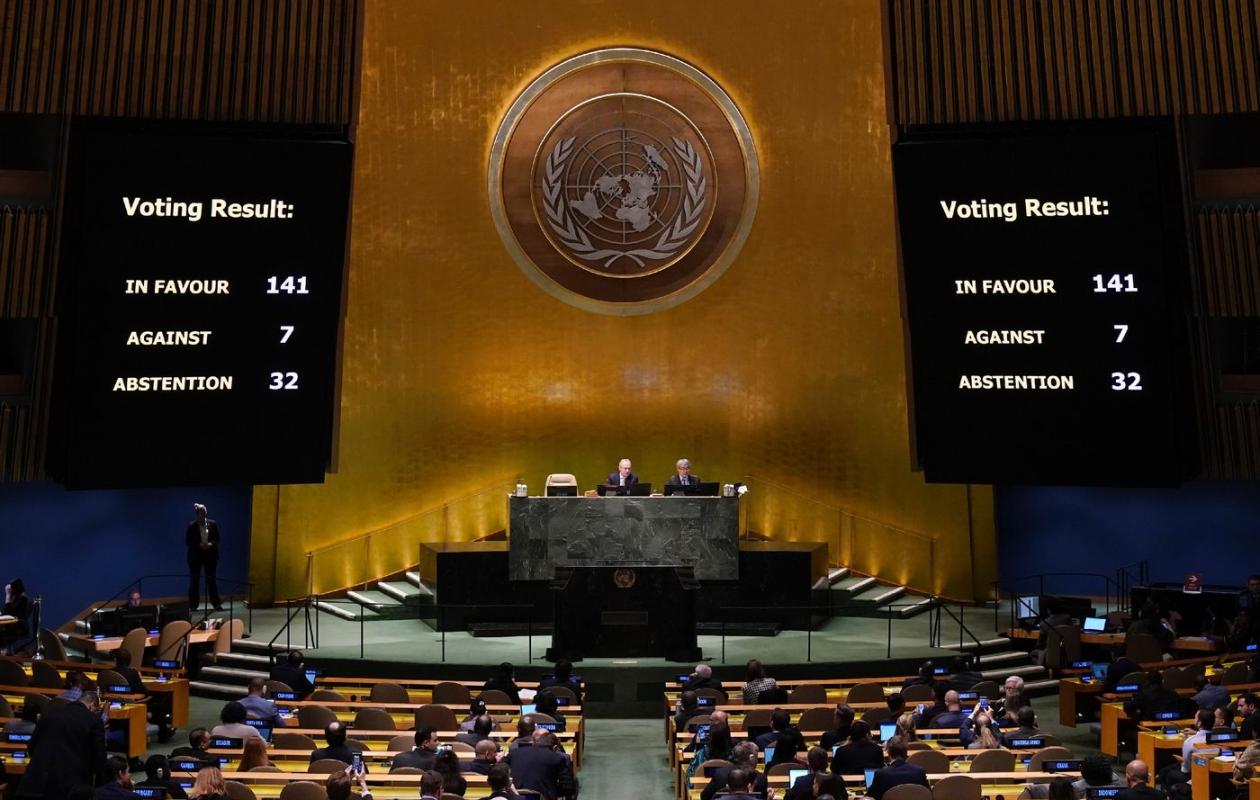
Derrière un vote à l’ONU, des équilibres économiques bien plus concrets
In international forums, a vote is rarely a mere diplomatic gesture. It may appear symbolic in its form, but its implications extend far beyond the political sphere. At the United Nations General Assembly, within international financial institutions, or in certain specialized agencies, the positions adopted by states directly influence their economic relations, access to certain financing, and sometimes the nature of the resulting partnerships.
The functioning of these organizations relies on power dynamics where alliances matter as much as formal rules. In institutions like the International Monetary Fund or the World Bank, decisions are not merely technical. They are also political, insofar as the main shareholders wield significant influence. States that align themselves with certain groups can thus benefit from a more favorable environment for negotiating programs, obtaining budgetary support, or securing financing.
The figures illustrate the importance of these channels. In sub-Saharan Africa, World Bank concessional financing has exceeded $30 billion in some recent fiscal years, while IMF programs regularly mobilize several billion more in countries facing balance of payments pressures. In this context, the quality of diplomatic relations and a country's political image play a significant role in the flow of this support.
Votes at the United Nations also illustrate this dimension. In resolutions related to the conflict in Ukraine since 2022, several African countries have adopted positions of abstention or neutrality. These choices have been interpreted differently by Western partners, Russia, and China, revealing that voting is not limited to a legal stance but is part of a broader strategic analysis. Behind these decisions, there is often a desire to preserve diverse economic relationships rather than align with a single bloc.
This logic is also evident in bilateral relations. A country that supports certain diplomatic initiatives can facilitate access to trade agreements, lines of credit, or foreign public investment. Conversely, political disagreements can slow down or complicate economic negotiations, even when they are officially separate.
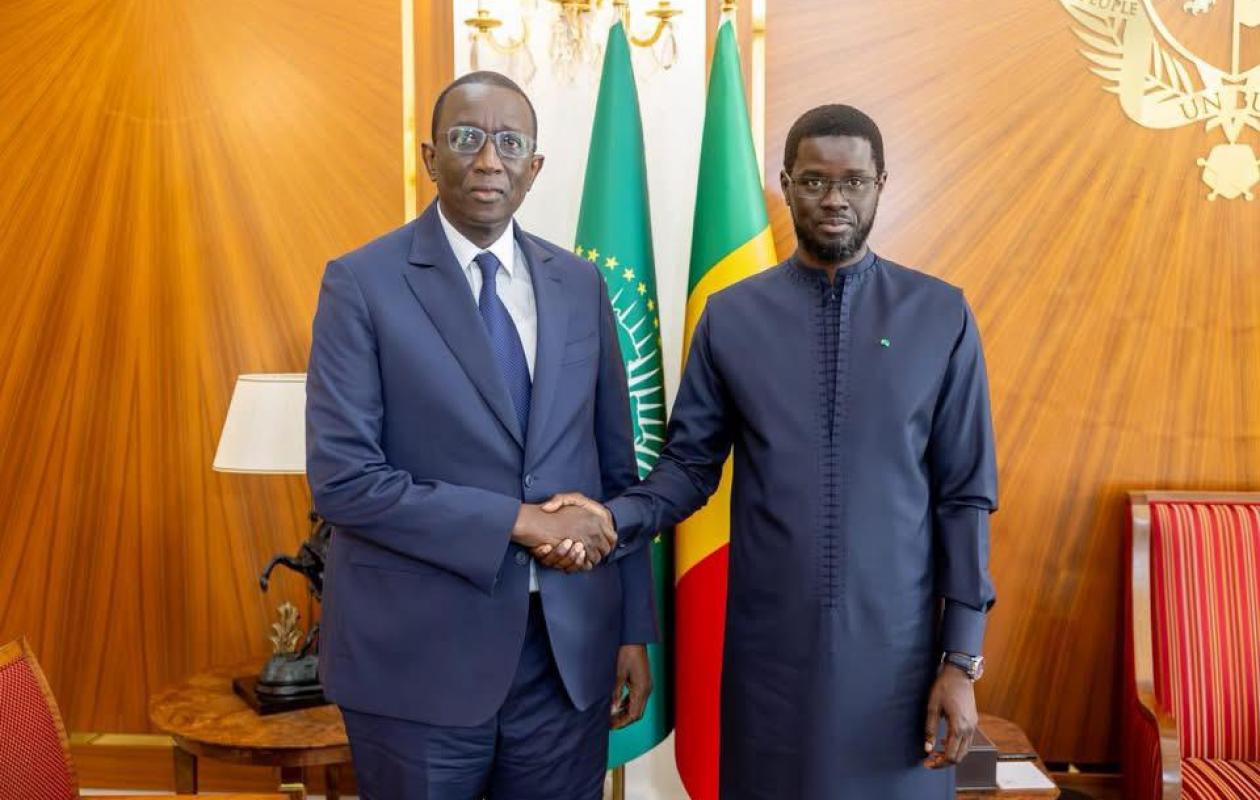
The case of Senegal illustrates a cautious approach. The country generally maintains a balanced stance in major international forums, avoiding overly pronounced alignments. This position allows it to maintain active relations with a variety of partners, including multilateral institutions, European countries, China, and Gulf states. This diplomatic choice also reflects an economic logic, where diversifying support is seen as a key element of stability.
In regional financial institutions, the same dynamic exists on a different scale. Within the African Development Bank, decisions on financing, sectoral priorities, and supported projects also reflect the balance between member states and external partners. Votes there shape the allocation of resources and, indirectly, the economic opportunities available to member countries.
The idea that diplomacy is separate from economics no longer reflects current reality. In an international system where funding, standards, and partnerships are closely linked to political relationships, every position expressed in an international organization can have effects far beyond the ballot box.














Commentaires (0)
Participer à la Discussion
Règles de la communauté :
💡 Astuce : Utilisez des emojis depuis votre téléphone ou le module emoji ci-dessous. Cliquez sur GIF pour ajouter un GIF animé. Collez un lien X/Twitter, TikTok ou Instagram pour l'afficher automatiquement.