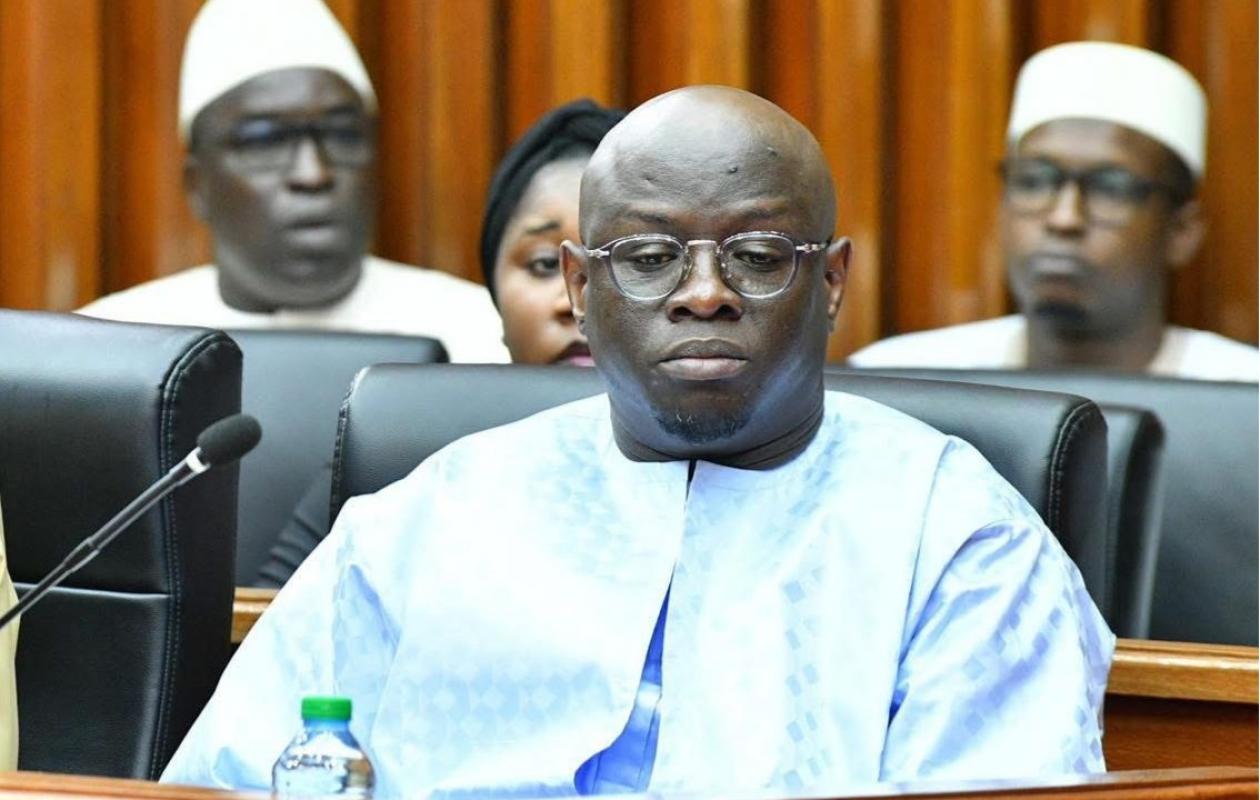
Dette du Sénégal : comment Cheikh Diba compte faire passer le taux de 130% à 101% en 2028
Senegal's debt: how Cheikh Diba plans to reduce the rate from 130% to 101% by 2028
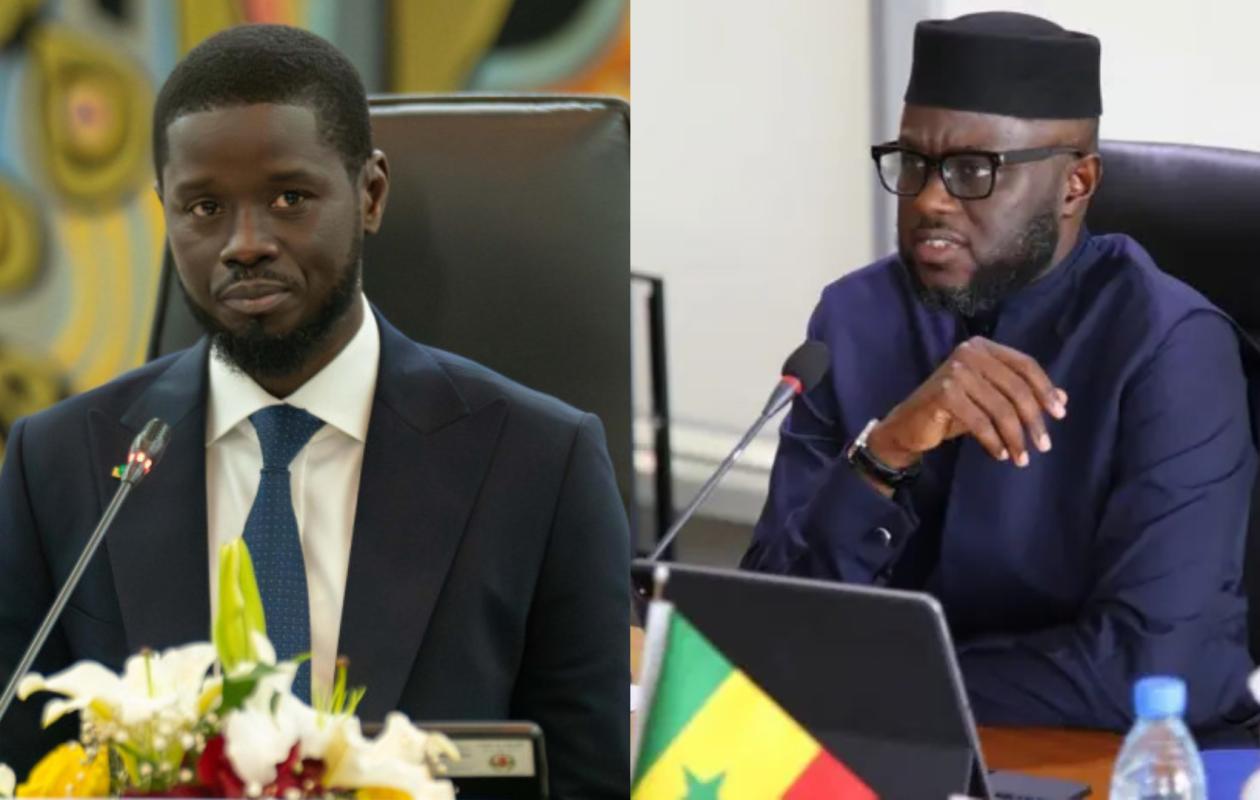
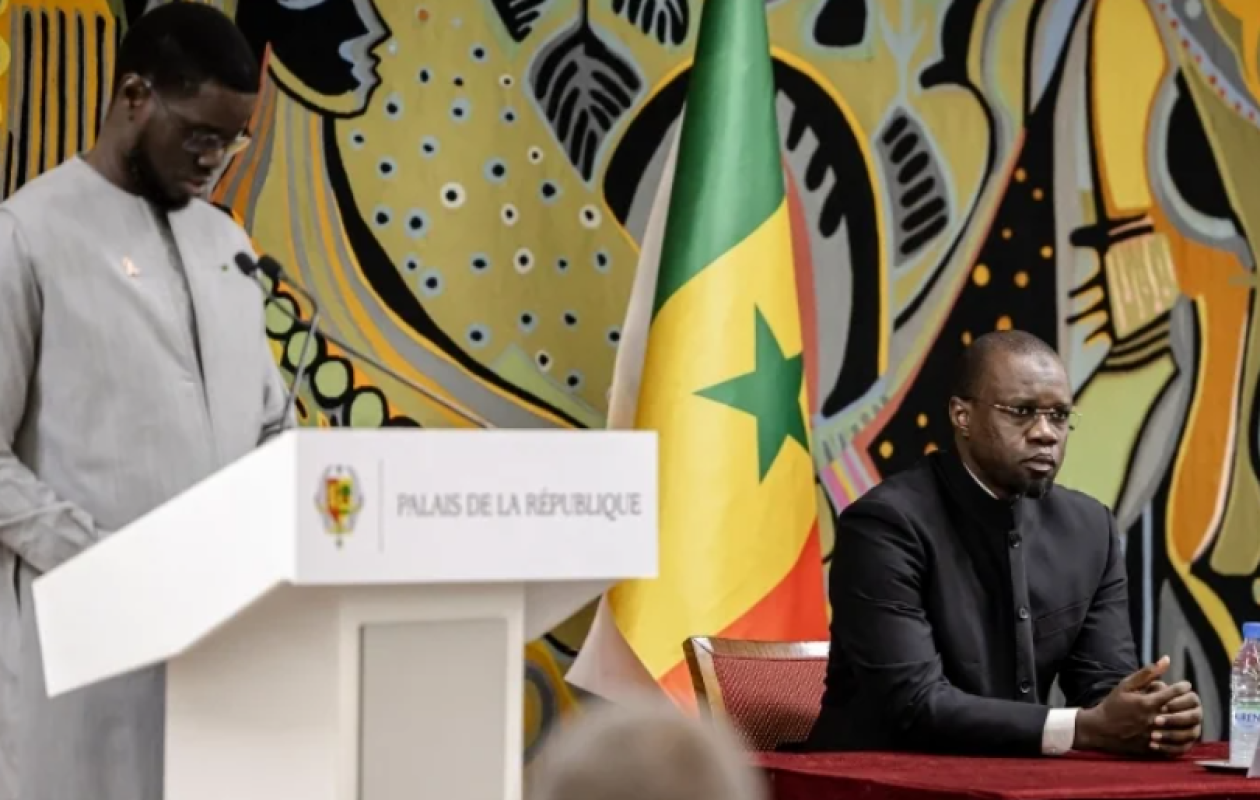
The Ministry of Finance and Budget has published its Medium-Term Debt Management Strategy (MTDS) for the period 2026-2028. Senegal's debt ratio stands at 130% of GDP. The country, which aims for a 29-point reduction by 2028, is considering four scenarios.
The first option, according to the SDMT document consulted by Seneweb, is to maintain the status quo in 2025 "with a distribution of 35% new external debt and 65% new domestic debt." "The strategy described here assumes a distribution of sources with a structure of 60% new external debt and 40% new domestic debt in 2026."
Strategy 2 will be implemented subject to the conclusion of a program with the IMF. The one concluded under Macky Sall was suspended following the publication of the Court of Auditors' report, which highlighted manipulation of macroeconomic data between 2019 and April 2024. If an agreement is reached with the Bretton Woods institution, according to the office of Cheikh Diba, the Minister of Finance, Senegal will be able to "mobilize more resources from traditional donors and partners and [create] the conditions for a return to the international market."
“Nevertheless,” the Ministry of Finance and Budget emphasizes, “[this strategy] remains geared towards reducing liquidity constraints, given that nearly 15% of the total debt stock matures within a year. Therefore, the focus is on using international commercial and market financing (Eurobonds, Panda Bonds, Samurai Bonds, etc.) to meet upcoming maturities. Financing would also be provided 60% from external resources and 40% from local currency resources.”
The third scenario involves "containing vulnerabilities related to variable-rate debt (20%) and short-term maturing debt (30.4% of total debt, the rate of which will be re-fixed in one year, which have taken on significant proportions in the portfolio. The distribution of financing sources would result in 50% new external debt and the remaining 50% would be met through the domestic market and aims for significant recourse to concessional financing of longer-maturity domestic debt."
Point 4 of the SDMT “reflects the most pessimistic financing strategy (no program with the IMF in 2026)”: “Financing would thus be allocated as 40% new external resources and 60% new domestic debt. Without excluding potentially available external resources, this strategy is based on the use of domestic financing to manage refinancing risk without degrading the debt sustainability profile. These four strategies were tested using the SDMT analytical framework to assess the impact of financing choices over the 2026-2028 period.”
The Medium-Term Expenditure Strategy (MTES) is developed and annexed to the Finance Law, in accordance with the regulations establishing the framework for public debt policy and public debt management in the WAEMU member states. The 2026-2028 strategy, according to the services of Cheikh Diba, "is developed in full consideration of the authorities' guidelines for a sovereign, just, and prosperous Senegal by 2050, taking into account the vulnerabilities of the short- and medium-term debt portfolio while remaining mindful of developments in the global and WAEMU economic and financial environment."


![[EXCLUSIF] 93e arrestation dans l'affaire Pape Cheikh Diallo : Un quinquagénaire arrêté pour ses ébats avec un étudiant en cavale](https://image.seneweb.com/content/news/2026-19-08//thumb_1260x800_69fe29518a1ce_JF9jczziUI.jpg)











Commentaires (23)
Ce ministre nous prend vraiment pour des demeurés
Le tord que lui et son PM ont causé au Sénégal mérite de poursuites pour haute trahison
En 2019 déjà, le Sénégal était le pays de l'UEMOA le plus endetté avec 81% du PIB, et déjà au dessus du plafond UEMOA. La preuve ici, par une source qui n'est pas la cours des comptes du Sénégal ou le cabinet Mazars:
https://www.tresor.economie.gouv.fr/Pays/CI/veille-regionale
Encore que là le trésor français n'avait que les chiffres fournis par un pouvoir sénégalais dissimulateur de dettes. Et puisque tous les plafonds de dettes étaient crevés, le pouvoir de Firaouna Sall ne pouvait que continuer de cacher des dettes pour continuer de s'endetter.
— Dans l’esprit de Michel Rocard
Acte 1 : gonfler mensongèrement la dette
Acte 2 : rétablir la vérité des chiffres (en cachette) et le présenter comme une prouesse de l'Etat
Acte 3 : se présenter comme un génie en 2029
Cheikh DIBA je me demande comment vous vous regarder devant votre miroir ? Etes-vous fier de vous ? Ya fi nékone Demb, Ya fi nekkeu taye !!!
la dette à partir de ce régime n'est pas encore entrée en vigueur
- Après 19 ans de pouvoir (1981 - 2000), Abdou Diouf laisse au Sénégal une dette de 2 600 milliards en partant en Mars 2000.
- Après 12 ans de pouvoir (2000 - 2012), Abdoulaye Wade laisse au Sénégal une dette de 500 milliards en partant en Mars 2012. Il a divisé la dette héritée de Abdou Diouf par 5.
- En 12 ans de pouvoir (2012 - 2024), Macky Sall laisse au Sénégal une dette de 16 700 milliards en partant en Mars 2024. Il a multiplié la dette héritée de Wade par 33.
Ni les bailleurs, ni les agences ne font plus confiance à cette équipe pour redresser la barre.
Participer à la Discussion
Règles de la communauté :
💡 Astuce : Utilisez des emojis depuis votre téléphone ou le module emoji ci-dessous. Cliquez sur GIF pour ajouter un GIF animé. Collez un lien X/Twitter, TikTok ou Instagram pour l'afficher automatiquement.