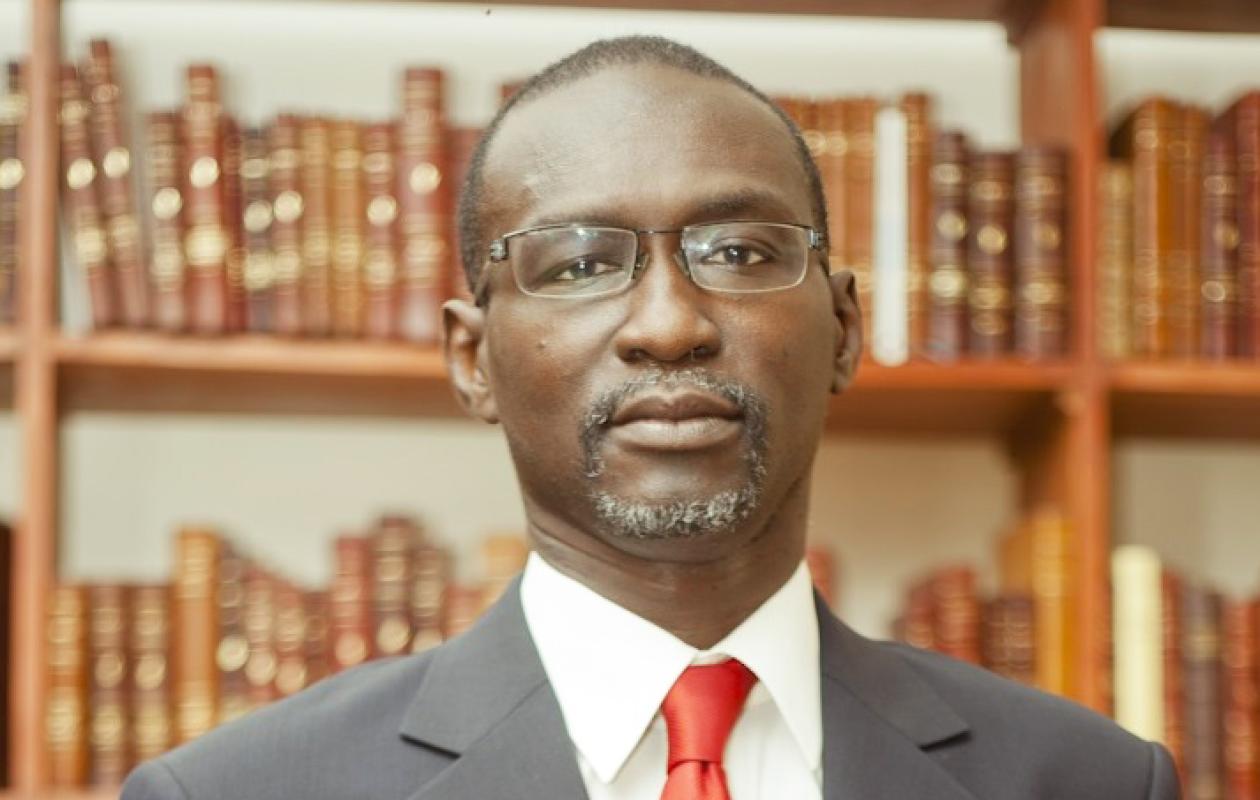
Dette du Sénégal : « Le coût de l’inaction est déjà...»
Economist and former Minister of Planning, El Hadji Ibrahima Sall, believes that Senegal is at a major financial turning point. In an interview with L'Observateur, he warns that inaction is now the primary danger: "The cost of inaction already exceeds the economic and financial cost of restructuring." According to him, reorganizing the debt is not necessarily a failure, but a management necessity, because "it prevents the burden of debt servicing from overshadowing productive investment, education, or infrastructure."
The expert outlines three possible paths, ranging from the most flexible to the most radical. The first involves a "soft" debt restructuring. Considered the most likely and least risky option for the country's image, it consists of extending maturities to allow more time for repayment without changing the total amount owed. The goal, he explains, is to reduce short-term liquidity pressure without altering the nominal volume of the debt.
The second hypothesis is that of a "heavy reprofiling," in other words, a restructuring negotiated with creditors. In this case, the state acknowledges that the burden is becoming unsustainable and seeks to obtain lower interest rates or grace periods on repayments. However, such an option carries a risk: that of a downgrade of the sovereign rating by international agencies, which would make future borrowing more expensive.
The third option is the most radical: debt restructuring with a haircut. This involves a direct reduction of a portion of the debt, which could restore fiscal sustainability more quickly. However, such a decision would also cause a significant shock to investor confidence and could keep the country out of the financial markets for several years.
El Hadji Ibrahima Sall points out, however, that "trust is an intangible asset" and that restructuring can be interpreted as a sign of economic vulnerability. He also emphasizes that a program with the International Monetary Fund (IMF) would impose strict budgetary discipline, requiring a "sacred union of the executive branch" to guarantee the coherence of public action.
According to the former minister, the immediate challenge lies in the "wall of deadlines" expected between 2026 and 2031, a period during which significant Eurobond repayments will have to be made. To preserve the country's financial credibility, he advocates a robust agreement with the International Monetary Fund, a clear deficit reduction trajectory, and enhanced budgetary transparency.
The interviewee for the Future Media Group concluded: "A financial policy instrument is neither good nor bad in itself; the question is whether it fits into an acceptable development strategy."













Commentaires (33)
Participer à la Discussion
Règles de la communauté
💡 Astuce : Utilisez des emojis depuis votre téléphone ou le module emoji ci-dessous. Cliquez sur GIF pour ajouter un GIF animé. Collez un lien X/Twitter, TikTok ou Instagram pour l'afficher automatiquement.
Se connecter
Commentez avec votre profil, votre photo, et soyez averti des réponses.