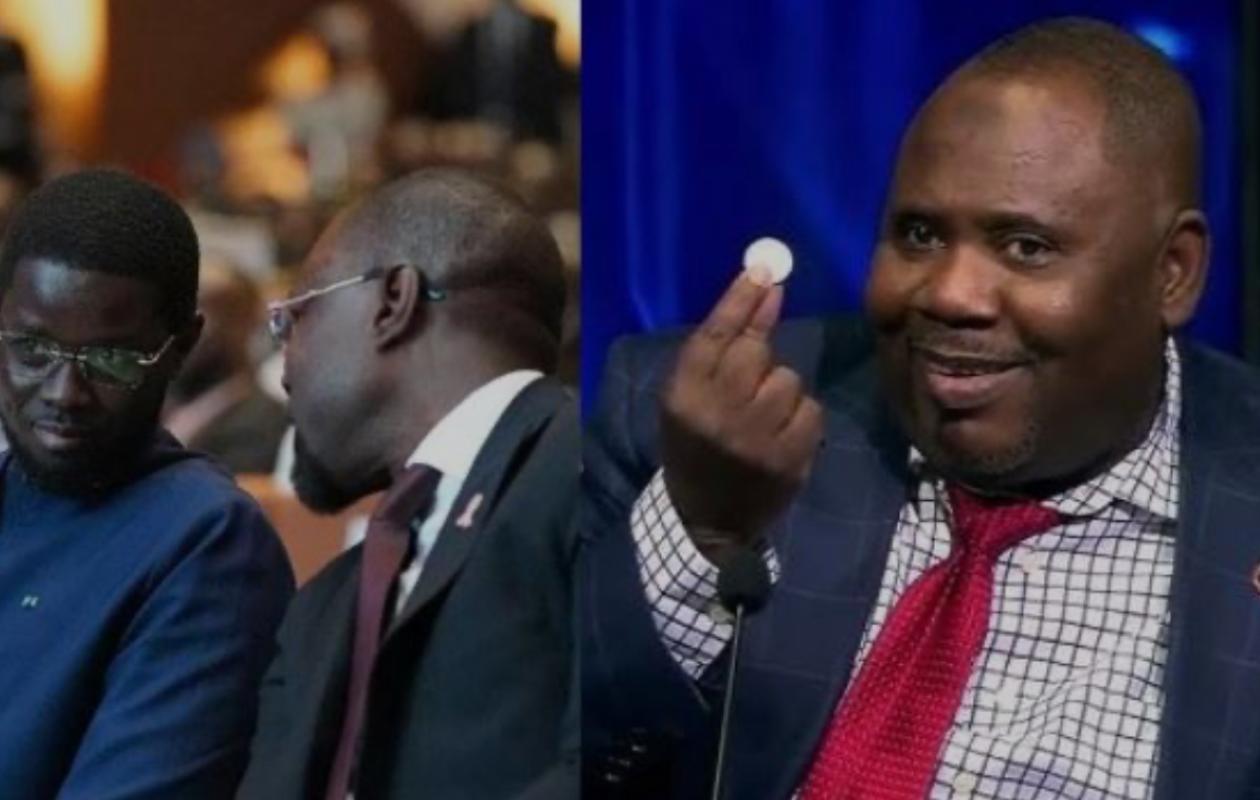
Dr Seydou Bocoum : « Le Sénégal reste prisonnier d’un modèle néolibéral dépassé »
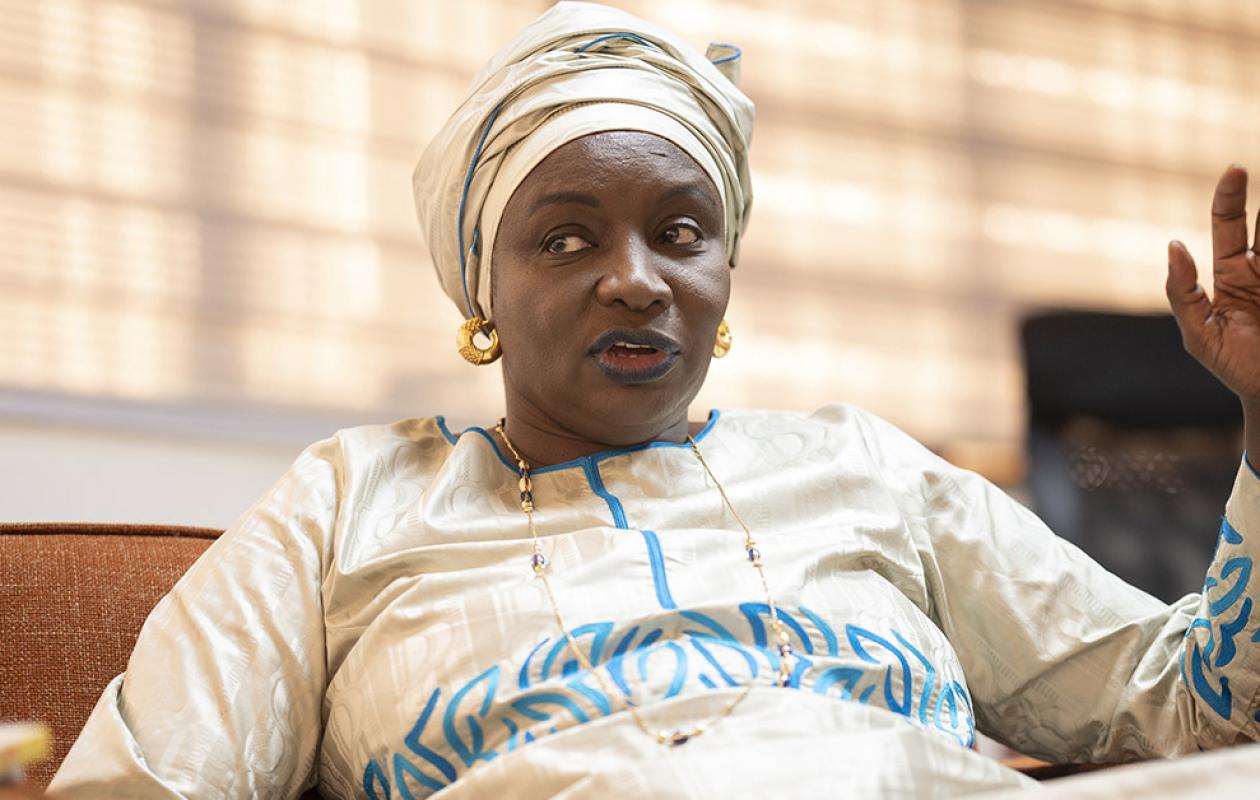
Guest of the Sunday Jury, Dr. Seydou Bocoum, Vice President and Scientific Director at the Laboratory for Economic and Monetary Research (LREM), delivered a critical analysis of the Senegalese economy. For this US-trained researcher, the country is locked into an economic model inherited from the "Washington Consensus" and is struggling to find its own path to development. "Since the fall of the Berlin Wall, we have been living under the same neoliberal model, dictated by the World Bank and the IMF. No regime has truly changed it," explains Dr. Bocoum.
According to him, this dependence keeps Senegal in a status quo that prevents any real break: "As long as we limit ourselves to living off taxes, the State will never be able to develop. No country has developed solely on taxes."
The economist advocates for a more active role for the state in the economy, through monetary creation, but also through the exploitation and redistribution of dividends from strategic sectors such as oil and gas. He believes that Senegal must invent its own model, based on its realities and resources: "As long as we blindly follow an imposed neoliberal system, we will remain dependent. The real break must come from an endogenous model, which values our agriculture, our raw materials, our human capital, and our innovations."
The limits of the UEMOA framework
Another obstacle, according to Dr. Bocoum, lies in the WAEMU convergence criteria, which he considers "purely political" and unsuited to African realities. He suggests drawing inspiration from Ghana, which has based its monetary policy on its gold reserves. "With the hundreds of tons of gold produced each year by Mali, Burkina Faso, Côte d'Ivoire, and Senegal, the BCEAO could become one of the most powerful banks on the continent. But today, it remains complementary to the Banque de France, and therefore limited," he says. Asked about the Ivorian dynamic, he notes that the difference is due to three factors: a trade surplus, agriculture geared toward self-sufficiency, and easier access to credit. "In Côte d'Ivoire, what they eat, they produce. In Senegal, we remain in deficit," he emphasizes.
Banks, credit and mobile money
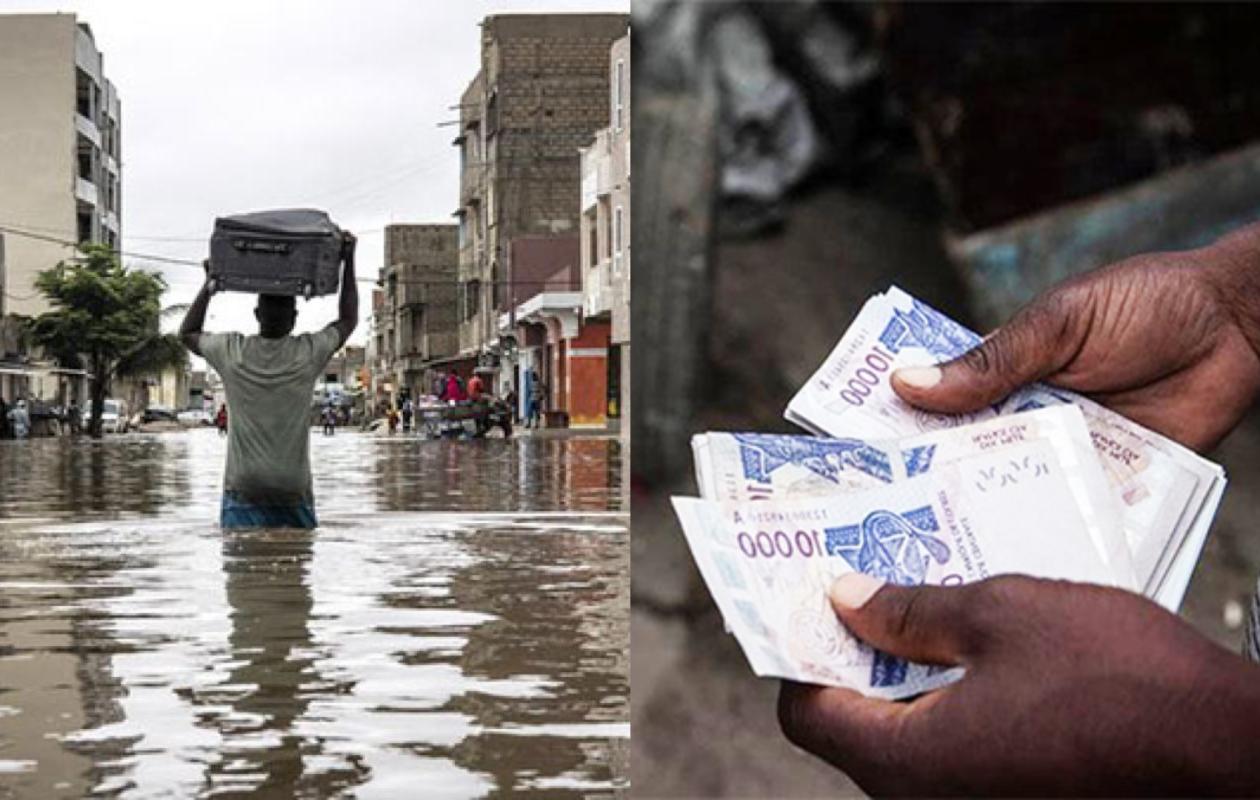
The expert denounces insufficient banking access. Of the nine million active population, only 500,000 Senegalese have access to bank credit because they have collateral. "The seller of Colobane can't get a loan. It took Mobile Money to increase the banking rate from 23% to 60%," he recalls. He proposes a solution: securitizing local assets (land, livestock, houses) to make them eligible as bank guarantees. Regarding the new investment code, he welcomes "a very good initiative," but sets one condition: improving infrastructure and human capital as a priority. "Foreign investors look at two things: roads, energy, services, and available skills. If these foundations are not solid, no text will be enough to sustainably attract capital," he warns.
He emphasizes the need for a strong welfare state, proposing massive expansion of family allowances, strengthening health care, and reforming education. "The role of the state is to support the weakest link in the chain. One in three French people, one in three Americans, one in three Chinese people receive support from their government. Why not the Senegalese?" he asks.
Regarding agriculture, he calls for moving away from the peanut model and aiming for food self-sufficiency: "Mali produces 5 million tons of rice and no longer imports. We must do the same." He also advocates for decentralizing sectoral policies, giving municipalities the responsibility for defining their priorities in agriculture, education, health, and infrastructure.







Commentaires (13)
Depuis 2017, ma contribution au projet politique du PASTEF s’est manifestée à travers un engagement intellectuel et financier constant. J’ai également pris part aux dynamiques ayant permis l’élection d’Ousmane Sonko à l’Assemblée nationale la même année.
En 2022, j’occupais la fonction de secrétaire général intérimaire du MRDS, parti qui constitua le premier allié politique du PASTEF.
Ce ne sont pas des analyses économiques, juste des slogans pour se faire remarquer.
Il ne nourrit pas le débat, il cuisine son ambition personnelle.
Un opportuniste qui rêve plus d’un fauteuil que d’un vrai modèle de développement.
Participer à la Discussion
Règles de la communauté :
💡 Astuce : Utilisez des emojis depuis votre téléphone ou le module emoji ci-dessous. Cliquez sur GIF pour ajouter un GIF animé. Collez un lien X/Twitter, TikTok ou Instagram pour l'afficher automatiquement.