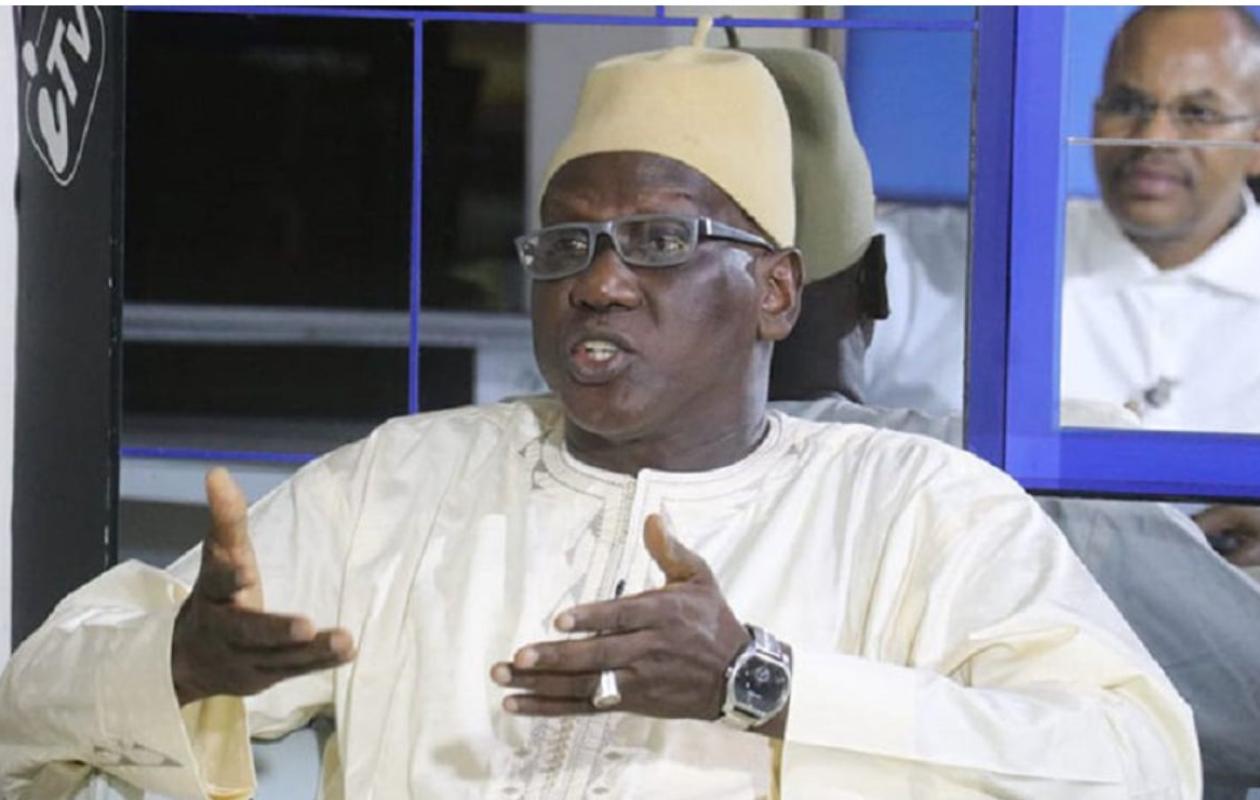
FMI, dette cachée et Diaspora Bonds : L’avis tranché d’Alassane Seck de la LSDH
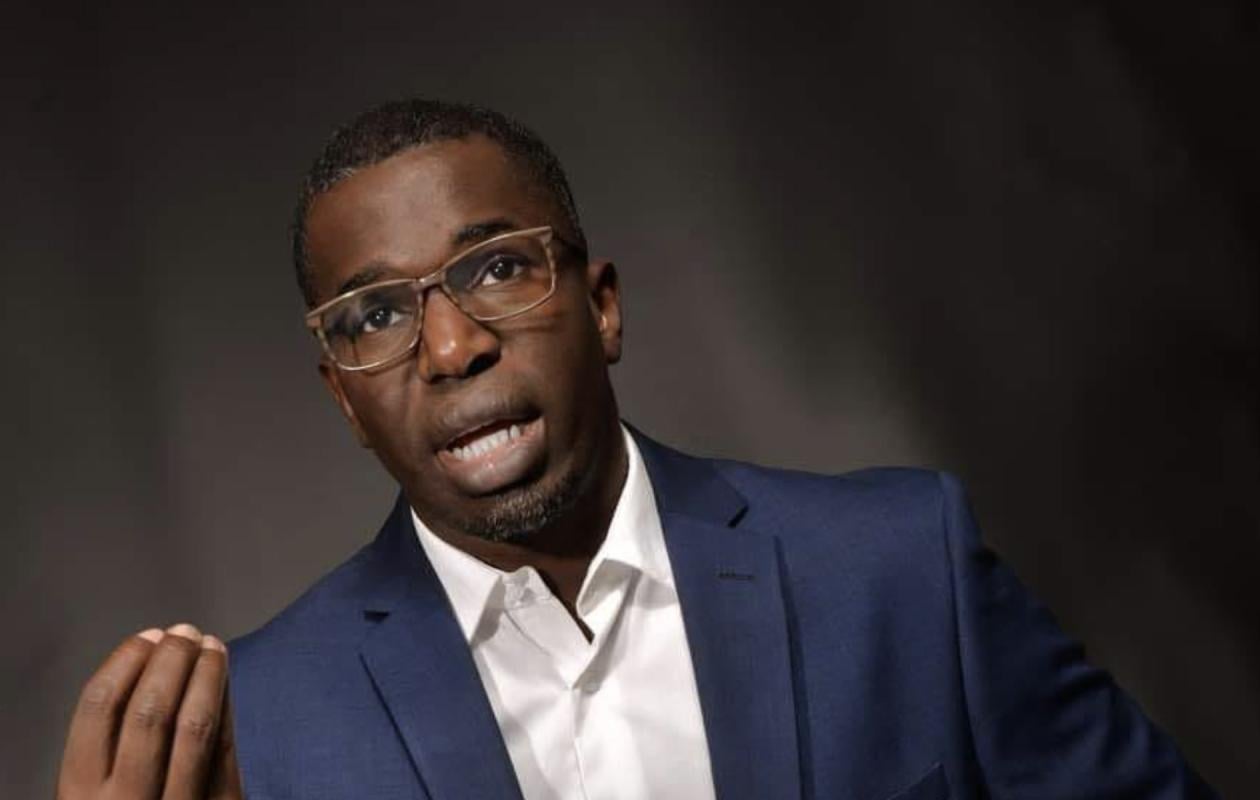
Alassane Seck, president of the Senegalese League for Human Rights (LSDH), spoke about the state of Senegal's public finances. In a context marked by high expectations surrounding the IMF, revelations of undocumented debts, and the desire to mobilize the diaspora to finance development, he called for a profound redefinition of economic governance practices, for greater sovereignty, transparency, and justice, before the Sunday iRadio panel.
Rethinking the partnership with the IMF
For Alassane Seck, the IMF should not simply be a donor or external supervisor, but a partner that respects Senegal's ability to define its priorities. "The IMF is not an enemy, but it must not continue to impose its conditions without our full say," he asserted. He insisted that the reforms adopted within the framework of this partnership be in line with the real needs of the population, not with prescriptions detached from the Senegalese experience. He thus advocated for greater national responsibility in defining budgetary and economic policies following the negotiations.
Hidden debt: between transparency and credibility
The issue of hidden debt—that is, unreported, poorly documented, or undocumented financial commitments—constitutes a major trust deficit, both among citizens and international partners. "Unknown or poorly recorded debt is an act against the credibility of our state," he said. He went on to call for Senegal to put in place robust mechanisms to ensure the visibility of all financial commitments, whether external or internal. This includes strengthening the role of Parliament, the Court of Auditors, and civil society in monitoring public finances.
Diaspora Bonds: a promising alternative provided there is trust
Alassane Seck sees Diaspora Bonds as a promising way to diversify development financing and reduce external dependence. These bonds, intended for Senegalese abroad, could make a significant contribution to infrastructure and public investment, provided the framework is credible, transparent, and reassuring for investors. "The Senegalese diaspora constitutes an economic force that can no longer be ignored. If it invests in clear, well-managed securities, this could ease the pressure on external finances," Seck argues. However, he warns of the risks: without citizen control and without governance guarantees, these instruments could reproduce classic financial failures.
Transparency, rigor and exemplary state
Beyond these three areas, the guest calls on the Senegalese state to be an example. He castigates the contrast between the rhetoric of "breakthrough" and certain ostentatious public spending, particularly in terms of luxury vehicles or visible benefits. Moreover, he emphasizes the need for a culture of rigor, budgetary restraint, and responsibility. According to him, the financial credibility of a state is built as much in its spending choices as in its financing strategies.











Commentaires (20)
Participer à la Discussion
Règles de la communauté
💡 Astuce : Utilisez des emojis depuis votre téléphone ou le module emoji ci-dessous. Cliquez sur GIF pour ajouter un GIF animé. Collez un lien X/Twitter, TikTok ou Instagram pour l'afficher automatiquement.
Alors autant se taire quand même un gamin de 7 ans comprend ce jeu de certains qui pensent que Le BON DIEU qui distribue depuis toujours les bienfaits, est en congé ou à la retraite.
Merci d'avance
Ils sont dans le pragmatisme, dans la cohérence de l'ordre financier mondial.
Le Sénégal a choisi autre chose, alors assumons tous cette situation.
Quand on prône la souveraineté nationale, il faut l'assumer jusqu'au bout.
Et arrêté de courir derrière ses institutions financières.
Se connecter
Commentez avec votre profil, votre photo, et soyez averti des réponses.