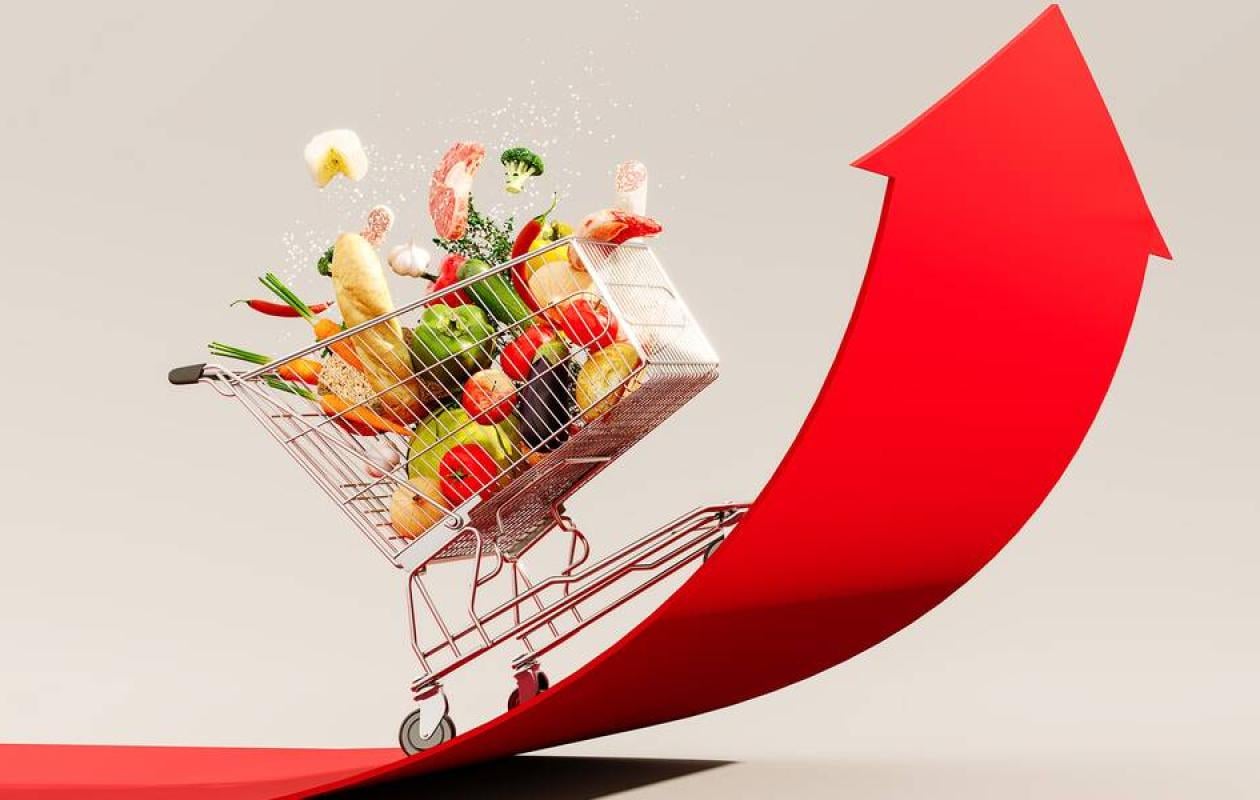
L’alimentation, épicentre mutique de l’inflation
A moderate overall inflation rate can coexist with widespread economic unease. This is often due to the dynamics of food prices. When basic commodities rise, the effect on households is immediate and far more noticeable than the average price change calculated at the national level.
Food represents a significantly larger share of the budgets of low-income households than it does for wealthier households. According to World Bank data and consumer surveys in sub-Saharan Africa, food expenditures can absorb 40% to 60% of the income of low-income households. Therefore, an increase in the price of rice, oil, or bread has a proportionally greater impact than the price increase of a durable good purchased only occasionally.
The episodes of soaring global prices in 2022, following the war in Ukraine and logistical disruptions, illustrated this sensitivity. The FAO Food Price Index reached its highest level since its inception in 1990 in March 2022. In countries dependent on cereal imports, this development translated into a tangible increase in the price of basic commodities in local markets.
Even when overall inflation slows, food consumption can continue to rise at a faster rate. This gap fuels feelings of impoverishment. Households then adjust their spending habits, reducing the quality or quantity of food consumed, which can have indirect effects on nutrition and health.
The macroeconomic impact is not limited to households. Persistent food inflation increases the demand for government intervention in the form of subsidies or price caps. These measures, if widespread, place a strain on public finances. They highlight the social dimension of the phenomenon.
The difference between overall inflation and food inflation highlights an often underestimated reality. National averages mask differentiated effects depending on the structure of spending. As long as essential products see price increases exceeding those of overall goods and services, the perception of eroding purchasing power will remain stronger than aggregate indicators suggest.
























Commentaires (3)
Participer à la Discussion
Règles de la communauté :
💡 Astuce : Utilisez des emojis depuis votre téléphone ou le module emoji ci-dessous. Cliquez sur GIF pour ajouter un GIF animé. Collez un lien X/Twitter, TikTok ou Instagram pour l'afficher automatiquement.