Les filets sociaux, un rempart économique face aux périodes de choc
Social protection programs are playing an increasingly important role in the economic policies of many countries. During periods of economic slowdown, rising prices, or climate disruptions, these mechanisms help mitigate the effects of shocks on the most vulnerable households. Cash transfers, targeted subsidies, and assistance programs are thus instruments designed to preserve a minimum standard of living for a segment of the population.
In African economies, where a significant proportion of the population has modest and often unstable incomes, these mechanisms act as an economic buffer. According to the World Bank, social protection systems still cover a limited share of the population in sub-Saharan Africa, but their development has accelerated over the past decade. Several countries have implemented cash transfer programs for the poorest households, often with the support of international institutions.
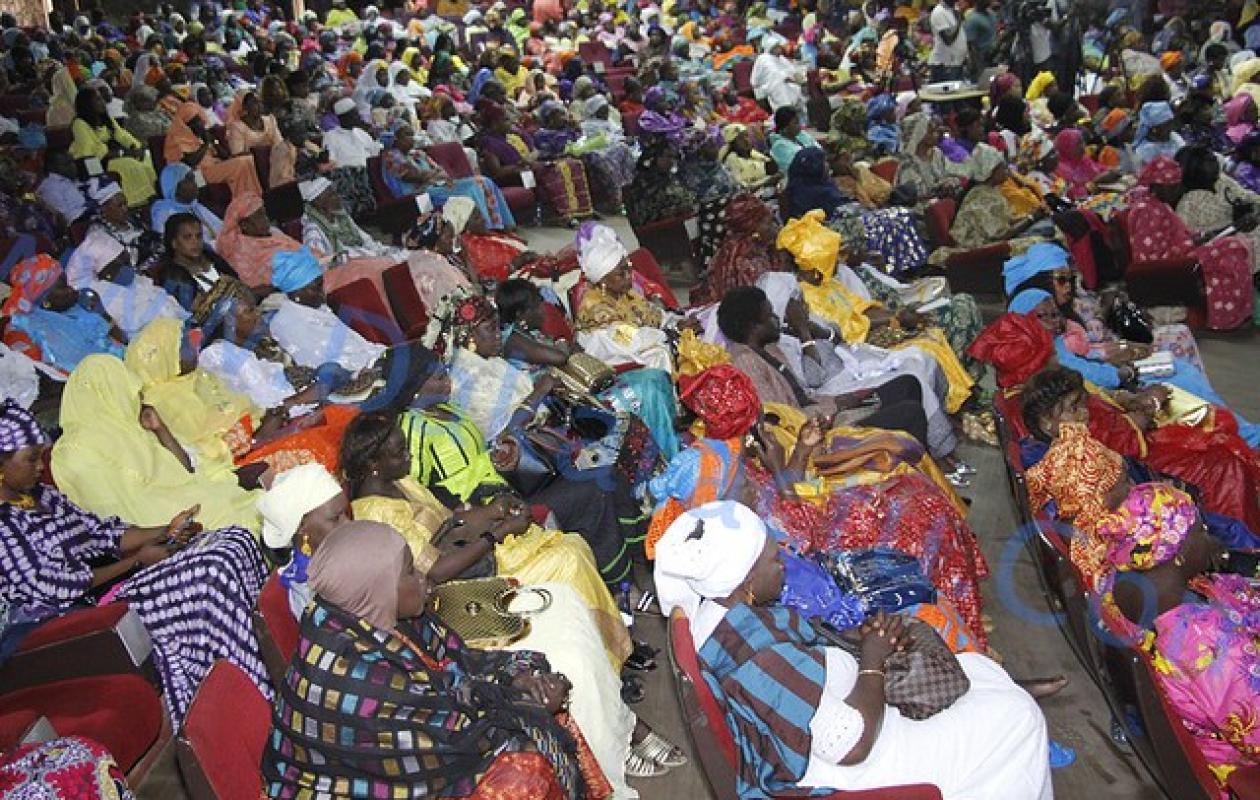
In Senegal, the National Family Security Grant Program exemplifies this trend. Launched in 2013, it aims to support vulnerable households through regular cash transfers. The program now covers more than 300,000 households, representing several million indirect beneficiaries. Its objective is to improve access to food, healthcare, and education while stabilizing the incomes of families most vulnerable to economic fluctuations.
These programs can also play a macroeconomic role. By maintaining a minimum level of purchasing power among the poorest populations, they help support domestic consumption, particularly in basic sectors such as food and local services. In some situations, this consumption contributes to stabilizing economic activity.
However, the effectiveness of social safety nets largely depends on their design. Targeting beneficiaries is often a major challenge. Identifying the most vulnerable households requires reliable databases and administrative systems capable of updating economic and social information. In several African countries, unified social registries are beginning to be developed to improve this identification.
The budgetary question also remains crucial. Social protection programs require regular public funding. In economies where tax revenues remain limited and investment needs remain high, the trade-off between social spending and other budgetary priorities can become difficult.
Social safety nets are therefore not solely a social policy. They also contribute to economic stability by mitigating the effects of crises on the most vulnerable households. Their effectiveness will depend on the ability of states to improve their targeting, strengthen social information systems, and ensure their long-term financing.






















Commentaires (0)
Participer à la Discussion
Règles de la communauté :
💡 Astuce : Utilisez des emojis depuis votre téléphone ou le module emoji ci-dessous. Cliquez sur GIF pour ajouter un GIF animé. Collez un lien X/Twitter, TikTok ou Instagram pour l'afficher automatiquement.