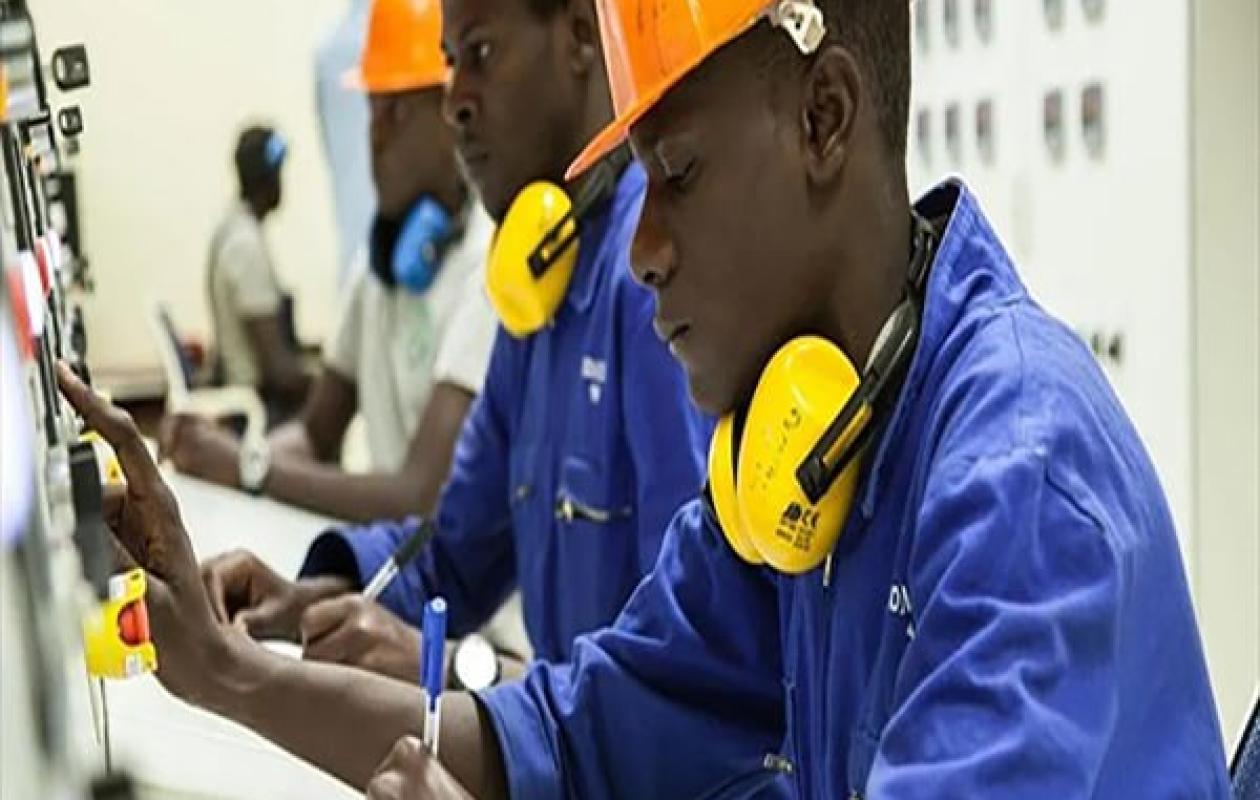
Machines ou salariés ? Les choix qui redessinent l’emploi
Not all phases of growth automatically translate into job creation. In several sectors, investment today takes the form of equipment, technology, or automation rather than new hires. This phenomenon relates to what economists call capital-labor substitution.
In practical terms, a company can increase production either by hiring more employees or by investing in more efficient machinery, software, or equipment. When labor costs are considered high, uncertain, or difficult to adjust, some companies favor the second option. They increase their production without proportionally increasing their workforce.
This choice can be rational at the company level. A machine doesn't require a monthly salary, doesn't break down, and offers consistent production. In industry, food processing, and even some services, technology now allows for faster production with less labor. In telecommunications and digital services, growth often relies more on infrastructure and software than on a large number of jobs.
In Senegal, as in other economies in the region, some recent investments illustrate this trend. In the industrial and port sectors, modern equipment, mechanization, and digitalization improve productivity without generating a significant number of jobs. An automated logistics platform or a modernized factory can handle a larger volume of goods with a limited number of employees.
The cost and rigidity of labor also play a role. Recruiting involves expenses, administrative obligations, and risks in the event of a downturn in business. For some companies, investing in equity appears to be a more flexible solution, even if it requires a significant initial investment.
This phenomenon poses a challenge for economic policy. Growth driven by capital-intensive sectors can improve overall performance, but it does not necessarily solve the employment problem. In economies with rapidly growing labor force populations, this disconnect between growth and job creation becomes particularly problematic.
The challenge, therefore, is to find a balance. Productivity gains are necessary to remain competitive, but they must be accompanied by the development of sectors capable of absorbing a larger workforce. Modernized agriculture, services, light industry, or certain local activities can play this role.
The substitution of capital for labor thus highlights an often underestimated reality: producing more does not always mean employing more.
























Commentaires (0)
Participer à la Discussion
Règles de la communauté :
💡 Astuce : Utilisez des emojis depuis votre téléphone ou le module emoji ci-dessous. Cliquez sur GIF pour ajouter un GIF animé. Collez un lien X/Twitter, TikTok ou Instagram pour l'afficher automatiquement.