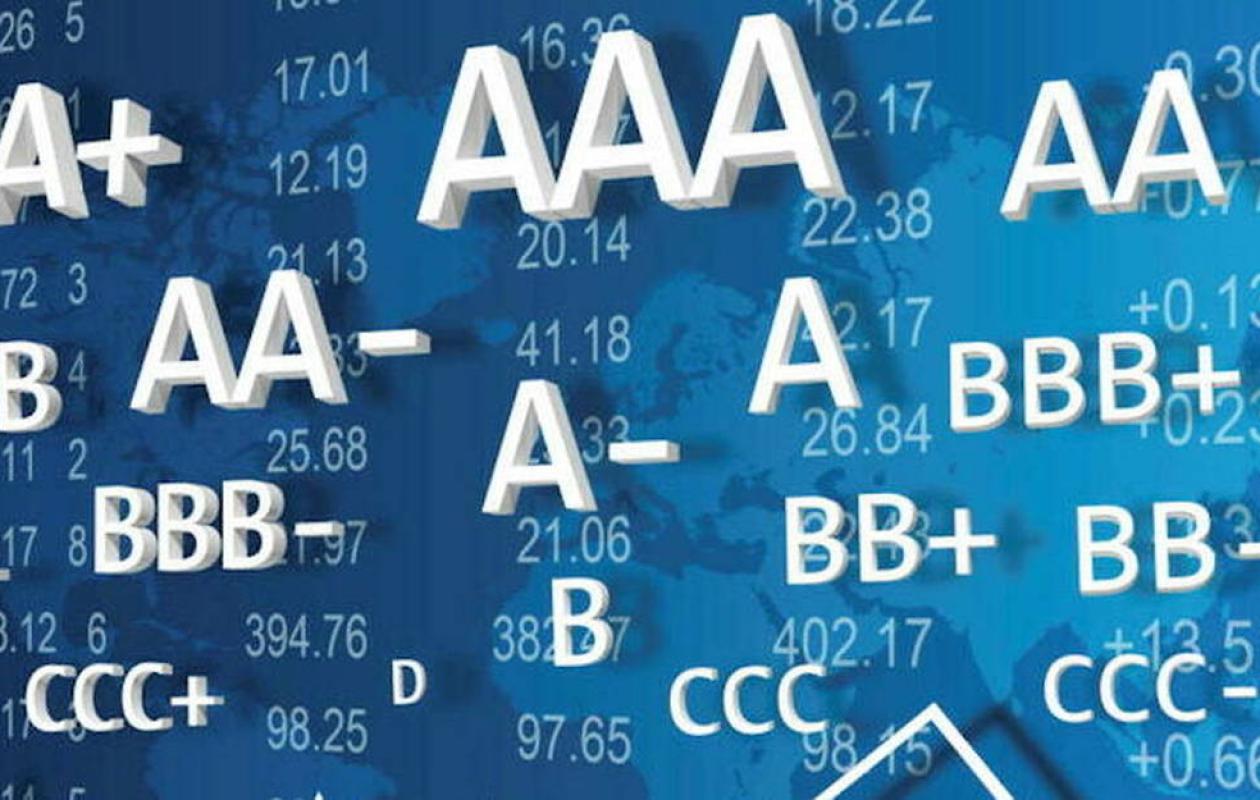
Notation financière : Le bulletin de confiance des marchés
In the world of finance, trust is as precious a currency as capital itself. For both governments and businesses, this trust is measured through an essential tool: credit rating. Behind this technical term lies a solvency assessment, carried out by specialized agencies such as Standard & Poor's, Moody's, or Fitch Ratings, which assign a rating intended to reflect an economic actor's ability and willingness to honor its commitments.
This rating system functions much like a school report card. A good rating opens doors to financial markets on favorable terms, as it reassures investors about the borrower's creditworthiness. Conversely, a downgrade leads to an immediate increase in financing costs, or even temporary exclusion from the markets. For a government, this means that every loan, whether a Eurobond or a regional bond, depends directly on the rating agencies' assessment.
The role of these ratings extends beyond mere financial technique. They influence government budgetary strategy, as a favorable rating is synonymous with international credibility. But they also spark debate: some criticize the agencies for their excessive power and their tendency to amplify crises by drastically downgrading ratings during periods of turbulence. Others emphasize that, despite their limitations, they remain an essential benchmark in a world where capital circulates globally.
In West Africa, sovereign credit ratings have become a prerequisite for accessing international markets. They determine the issuance of Eurobonds and influence the perceptions of foreign investors. Understanding how they work, their criteria, and their impacts is therefore essential for grasping the dynamics of public financing.
Credit ratings are much more than a technical indicator. They are a barometer of global confidence. They can be a springboard to massive financing or, conversely, an insurmountable barrier. This is why they deserve to be explained and discussed, not only by experts, but also in an educational column accessible to everyone.























Commentaires (4)
Diomaye a ouvert les yeux et a compris que l'État catastrophique du pays est en réalité la consequence des sabotages du PM, il a invente une histoire de dettes cachées pour détruire l économie, chaque fois Diomaye et ses ministres trouvent une entente avec le FMI, il sort faire une declaration pour tout faire capoter et envoyer un signal négatif aux marchés financiers. Son seul objectif c est d'affaiblir l état, prendre le pouvoir et donner a la Casamance légalement son indépendance. Sonko est le bras arme du MFDC.
Participer à la Discussion
Règles de la communauté :
💡 Astuce : Utilisez des emojis depuis votre téléphone ou le module emoji ci-dessous. Cliquez sur GIF pour ajouter un GIF animé. Collez un lien X/Twitter, TikTok ou Instagram pour l'afficher automatiquement.