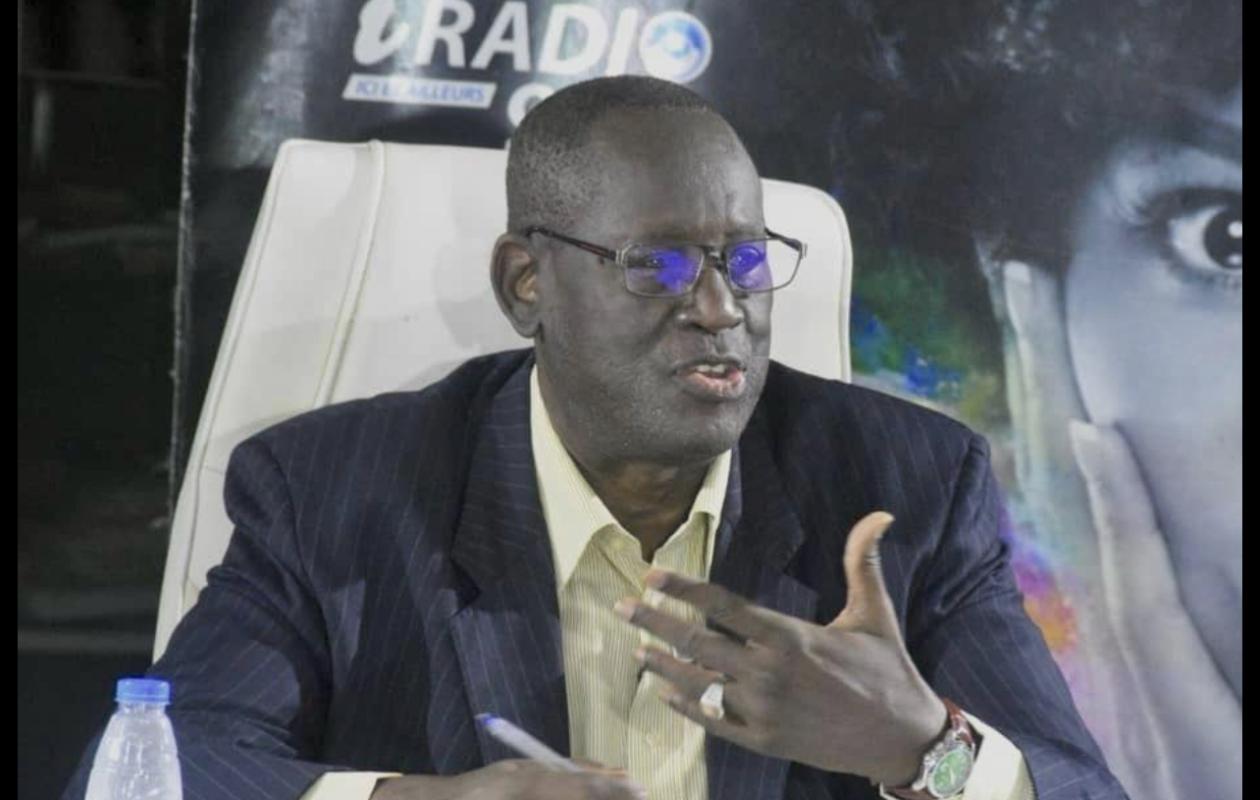
Pr Chérif Salif Sy : « Le FMI est un signal de crédibilité, pas une solution miracle »
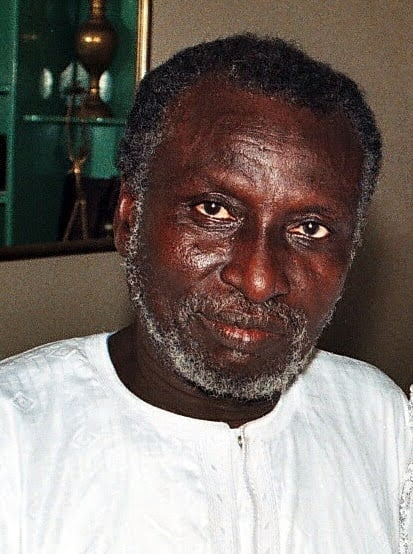
In an increasingly interdependent global economy, the relationship between African states and international financial institutions is sparking passionate debate. This Sunday, January 12, 2026, Professor Chérif Salif Sy, economist, lecturer-researcher, and president of the Third World Forum, was a guest on the "Sunday Jury" program on iRadio. He provided insightful commentary on the role of the International Monetary Fund (IMF), the quality of economic debate in Senegal, and the link between development and security.
“The International Monetary Fund hardly finances states at all,” Professor Sy emphasized from the outset. According to him, the idea that the IMF is a provider of massive financial resources is a myth. In reality, its intervention acts as a “signal of credibility” intended to reassure markets, rating agencies, and international partners.
“The sums we receive over a period of time can be five or ten times greater than what the Fund provides. The IMF is a form of certification,” he explains. This kind of moral and technical endorsement attests to the rigor of a country’s economic management, allowing it to access external financing on often more favorable terms. He also noted that some countries, like Algeria, remain members of the institution without requesting loans, thus preserving this valuable international standing.
Credibility, interest rates and social cost
For economists, the IMF's influence is measured primarily by its ability to affect interest rates. Sponsorship from the Fund can allow a country to borrow at low rates (sometimes 2 or 3%), whereas a lack of credibility would cause debt costs to skyrocket.
However, Professor Sy issued a strong warning against structural adjustment policies. Governing solely through budgetary constraints can, in his view, cause "serious social damage".
When questioned about the increasing number of public statements by Senegalese economists, Chérif Salif Sy adopted a nuanced stance. While he deemed the participation of intellectuals necessary, he deplored an excess of "voluntarism and ideology" at the expense of rigorous scientific inquiry.
He argues for an ambitious approach focused on education and clarification to truly inform public policy. According to him, the government should view these specialists not as adversaries, but as participants in a constructive dialogue.
Finally, addressing the instability on West Africa's borders, he strongly asserted that security precedes development. Drawing inspiration from the Chinese modernization model, he advocates a holistic vision of security that integrates education, social cohesion, and the moralization of the administration.
Faced with current threats, he advocates for deep regional cooperation and pooling of forces to reduce costs and strengthen the effectiveness of security responses.








Commentaires (8)
Def lo meune wakh lo meune sio teude YANDORRR,,!
Ex: les politiques d ajustements de Diouf.
Nos pays seront des greniers de matières premières et débouchés de produits manifacturés..
Mission des institutions de Bretton Woods.
Participer à la Discussion
Règles de la communauté
💡 Astuce : Utilisez des emojis depuis votre téléphone ou le module emoji ci-dessous. Cliquez sur GIF pour ajouter un GIF animé. Collez un lien X/Twitter, TikTok ou Instagram pour l'afficher automatiquement.
Se connecter
Commentez avec votre profil, votre photo, et soyez averti des réponses.