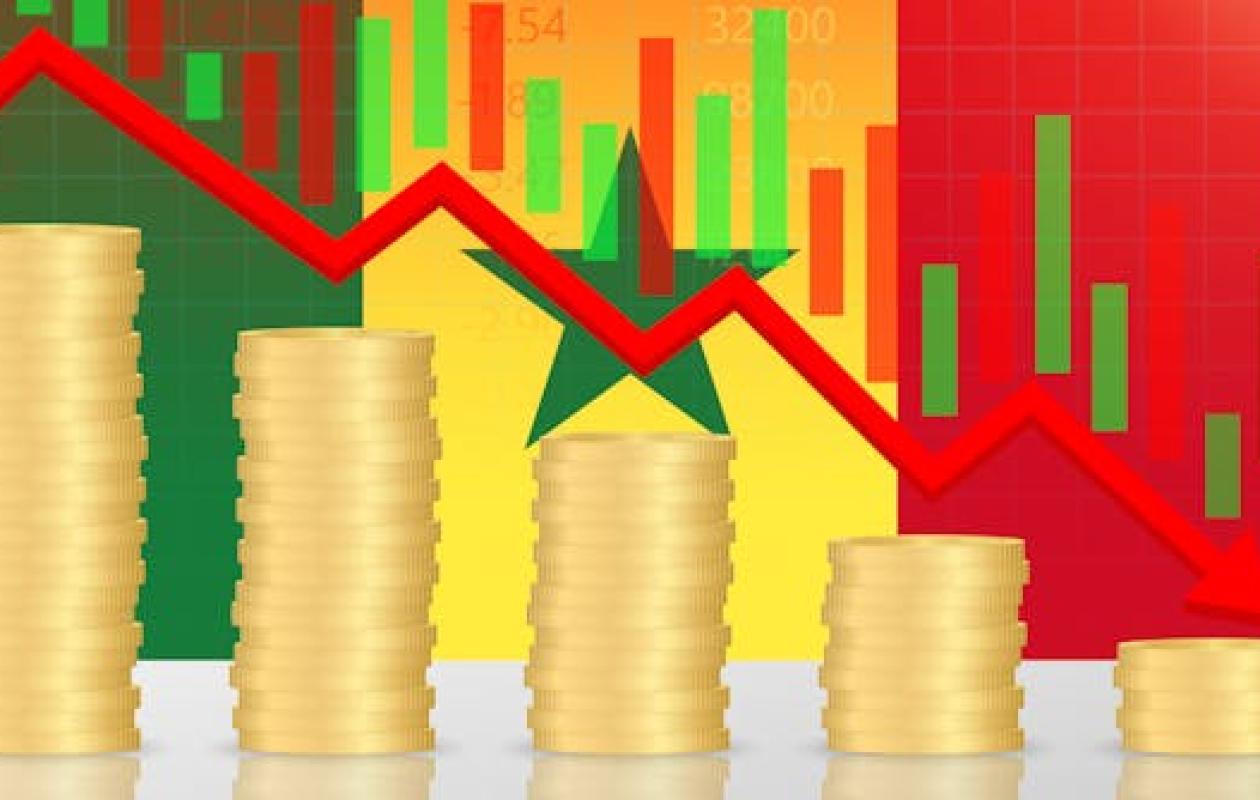
Zone UEMOA : Les défis de la mobilisation de l'épargne longue pour le développement
Roads, ports, power plants, and social housing require financing spread over fifteen, twenty, or sometimes thirty years. Yet, in much of West Africa, available savings remain primarily short-term. Bank deposits can be withdrawn quickly, investments are often liquid, and investors seek immediate returns. This mismatch between the maturity of savings and the duration of projects is one of the main obstacles to infrastructure financing.
The influence of banks and a reluctance to invest long-term
Banks hold a dominant position in the regional financial system, but their resources come primarily from demand deposits or savings accounts that can be accessed at any time. Under these circumstances, they are hesitant to finance very long-term projects that tie up funds for several years. Granting a twenty-year loan for a highway or a dam remains risky when a significant portion of the deposits can be withdrawn in a matter of weeks.
This situation is pushing states to turn to external debt, international lenders, or bond markets to finance major projects. While Eurobonds, concessional loans, and multilateral financing provide access to long-term resources, they also increase external dependence and exposure to exchange rate risk.
The paradox is that savings do exist in the region, but they are often fragmented, underutilized, and rarely invested over the long term. A large portion of these resources remains in low-interest bank accounts, real estate, informal markets, or assets considered safer and more liquid.
Insurance companies, pension funds, and retirement funds could play a more significant role, as they inherently possess long-term savings. However, their influence remains limited in several countries of the region. In the WAEMU, the assets of these institutions are growing, but remain modest relative to the needs. According to CIMA data, the insurance market in the zone represented approximately 2.5 trillion CFA francs in revenue in 2023, a level still low compared to other emerging regions.
The regional financial market could play a greater role in mobilizing these long-term savings. Infrastructure bonds, specialized funds, and long-term savings products would offer more suitable solutions. Currently, these instruments remain limited, and investors often favor short-term government bonds or real estate investments.
This lack of "patient" savings explains why infrastructure remains dependent on external financing. As long as West African economies do not have sufficiently abundant and stable local resources, sustainably financing energy, transport, or housing needs will remain a major challenge without massive recourse to debt.

![[EXCLUSIF] Ndiaga Seck : Ce qu'il a dit sur Ousmane Sonko](https://image.seneweb.com/content/news/2026-21-18//thumb_1260x800_6a0b59b4699aa_zsVjCNITAk.jpg)










Commentaires (0)
Participer à la Discussion
Règles de la communauté :
💡 Astuce : Utilisez des emojis depuis votre téléphone ou le module emoji ci-dessous. Cliquez sur GIF pour ajouter un GIF animé. Collez un lien X/Twitter, TikTok ou Instagram pour l'afficher automatiquement.