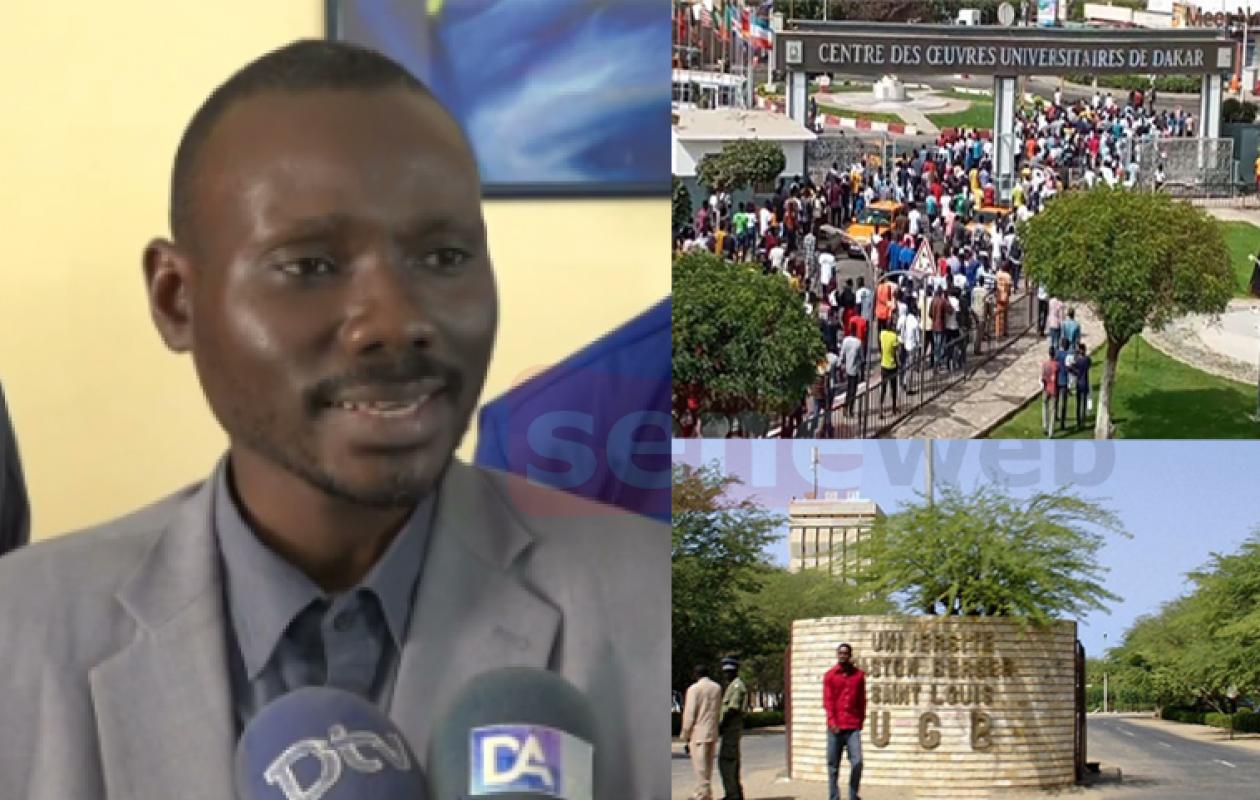
Crise universitaire : «Les causes réelles»
In an interview with L'Observateur, Professor David Célestin Faye, national secretary general of SAES, expressed his profound sorrow following the death of Abdoulaye Bâ, which he described as "a horrific and one too many deaths of a defenseless student." He denounced a cycle of violence that has been repeating itself since 1987 and condemned the lack of justice for past victims.
"Have those responsible for the deaths of these students been formally identified and punished? This has only encouraged repeat offenses and created an atmosphere of impunity."
The computer science professor at the Faculty of Applied Sciences and Technologies at Gaston Berger University of Saint-Louis (UGB) criticizes the decision to suspend student associations, which he considers counterproductive. In his view, "the synchronized dismantling of student union bodies [...] seems to be an easy solution for the authorities."
Professor Faye believes that in times of crisis, eliminating student representatives risks exacerbating student radicalization. To break the deadlock, he insists on the need to preserve legitimate interlocutors in order to maintain a channel of dialogue and avoid getting bogged down.
University franchises and disproportionate use of force
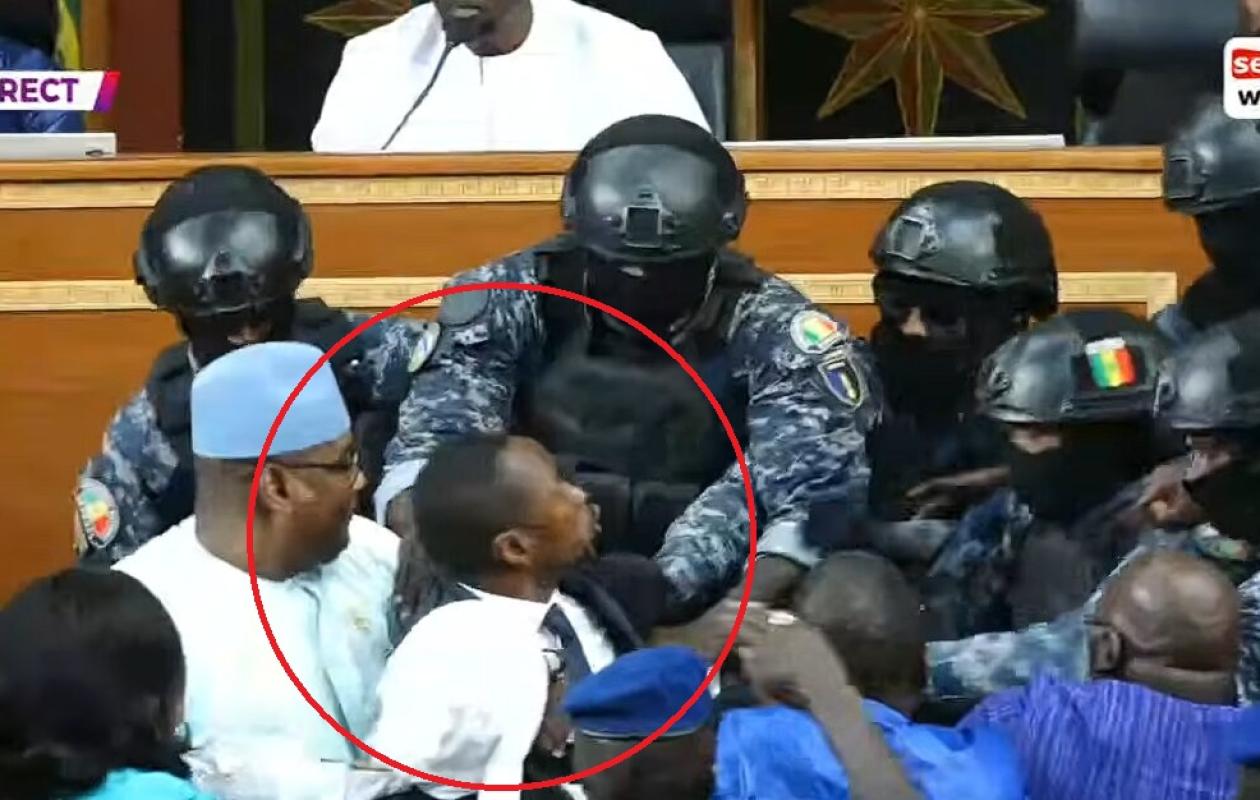
He deplores the "flagrant and repeated violations" of the regulations governing university autonomy. Even though the law formally restricts this autonomy to the teaching campus, the union representative believes this cannot justify the police raids on the student buildings. Professor Faye strongly condemns what he calls the excessive use of force: "The images are there, and they sometimes bear witness to a blind violence that we firmly denounce."
For him, security should never translate into disproportionate interventions that could further inflame campuses.
The real causes of the crisis (Stock Exchanges and LMD)
Rather than viewing the scholarship as a burden, Professor Faye insists that it is first and foremost an "investment for the future." According to him, the crux of the problem lies not in the financial package itself, but rather in the persistent discrepancy with the academic calendar.
“The issue of scholarships is a consequence, and we should be addressing the root causes,” he asserts. “And these causes include the widespread use of scholarships, the practice of assigning all high school graduates to universities without considering capacity or student-to-faculty ratios, the failure to deliver educational and social infrastructure projects initiated over 10 years ago, and the lack of transparency in university budgets, which fail to cover teaching, research, and personnel expenses. Added to this are the Covid-19 pandemic and the unscheduled closures of universities based on the electoral calendar…”












Commentaires (8)
Participer à la Discussion
Règles de la communauté :
💡 Astuce : Utilisez des emojis depuis votre téléphone ou le module emoji ci-dessous. Cliquez sur GIF pour ajouter un GIF animé. Collez un lien X/Twitter, TikTok ou Instagram pour l'afficher automatiquement.