
Administration sénégalaise : Macodou Sène plaide pour une réforme fondée sur la rationalité, la transparence et l’adaptation
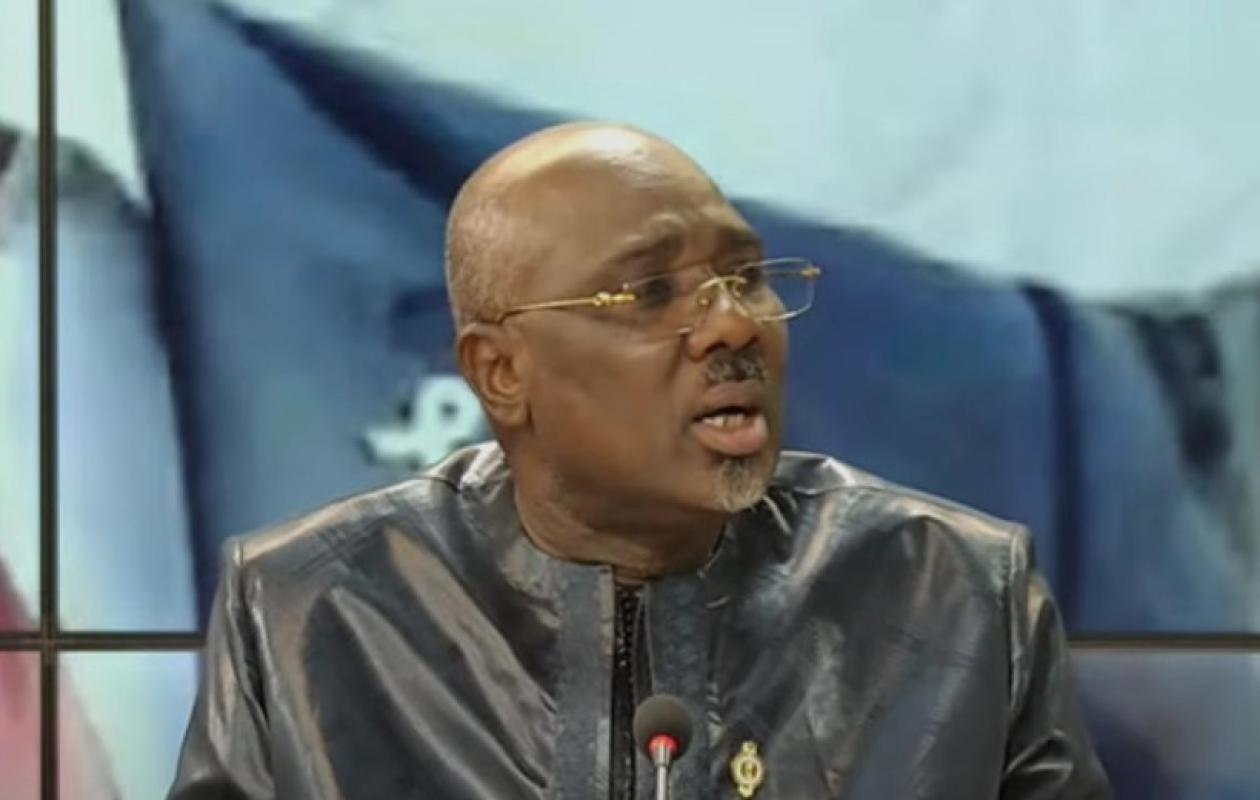
"Administration is both a set of structures and an activity intended to serve the general interest," he explained, stressing that any understanding of the administrative apparatus necessarily involves mastering the texts that organize it, from the Constitution to decrees and circulars.
Administrative harmonization initiated since 2017
Macodou Sène revisited the reforms initiated in February 2017 to harmonize the functioning of government ministries. He noted that a decree established identical administrative structures across all ministerial departments, eliminating the organizational disparities that previously existed. This reform also resulted in the widespread adoption of the position of secretary-general within ministries. He considers this development important for strengthening administrative coherence and improving the coordination of government services.
At the territorial level, he recalled that the current organization is largely based on the 1972 reform which structures the country into regions, departments and districts around governors, prefects and sub-prefects.
Governance and administration: two complementary concepts
Faced with the omnipresence of the term "governance" in public debate, the civil administrator believes it is by no means a replacement for traditional administration, but rather a strategic extension. For him, governance refers to defining political and strategic directions, while administration remains the operational tool responsible for implementing public policies. "Administration is the secular arm of the state," he summarized. Thus, the two concepts are complementary: one defines policies, the other applies them on the ground.
An administration that continues to inspire vocations
Contrary to some preconceived notions, Macodou Sène believes that the Senegalese civil service continues to attract a large number of young graduates. He cites the enthusiasm surrounding civil service exams as proof. "For a hundred or so positions, you have thousands of candidates," he points out, adding that the scarcity of jobs further fuels the interest in administrative careers.
He acknowledges, however, that the context has changed profoundly. Under the presidencies of Léopold Sédar Senghor and Abdou Diouf, certain positions were almost exclusively reserved for civil administrators from the ENA (National School of Administration). Today, with the emergence of new professional bodies, strategic posts are subject to much broader competition.
Decentralization and deconcentration: "The two legs of the State."
In an effort to clarify the distinction, the guest on "Sunday Jury" explained at length the difference between deconcentration and decentralization, two concepts often confused in public debate. According to him, deconcentration involves delegating powers to state representatives subject to an administrative hierarchy, such as governors, prefects, or sub-prefects. Decentralization, on the other hand, relies on transferring powers to autonomous local authorities, particularly municipalities and departments. "The state has two legs: deconcentration and decentralization," he illustrated, specifying that these two mechanisms allow the state to function effectively across the entire national territory. He emphasized, however, that decentralization does not mean total independence for local authorities, since the state retains a right of oversight through the mechanism of legality control.
Transparency, consultation and citizen demands
For Macodou Sène, modern administration can no longer operate using the methods of the past. Public officials are now compelled to engage more in consultation with the public, as well as to a greater obligation of transparency. "Today, citizens must be informed, their opinions gathered, and accountability provided," he insists. But this requirement must also, according to him, apply to the citizens themselves. The mayor of Niakhar points in particular to the contradictions of some residents who demand more public services without always fulfilling their tax obligations.
The controversy over the precedence of prefects
Referring to a recent controversy between members of parliament and a prefect during an official ceremony, Macodou Sène invoked the decree of March 19, 1999, concerning precedence in official ceremonies. According to him, in his department, the prefect does indeed have precedence over members of parliament. He nevertheless believes that the situation was primarily a matter of "republican courtesy."
"In a Republic, there are protocol rules and behaviors of mutual respect that must prevail," he said, calling for the preservation of the serenity of the institutions and respect for the texts that govern the functioning of the State.






















Commentaires (0)
Participer à la Discussion
Règles de la communauté :
💡 Astuce : Utilisez des emojis depuis votre téléphone ou le module emoji ci-dessous. Cliquez sur GIF pour ajouter un GIF animé. Collez un lien X/Twitter, TikTok ou Instagram pour l'afficher automatiquement.