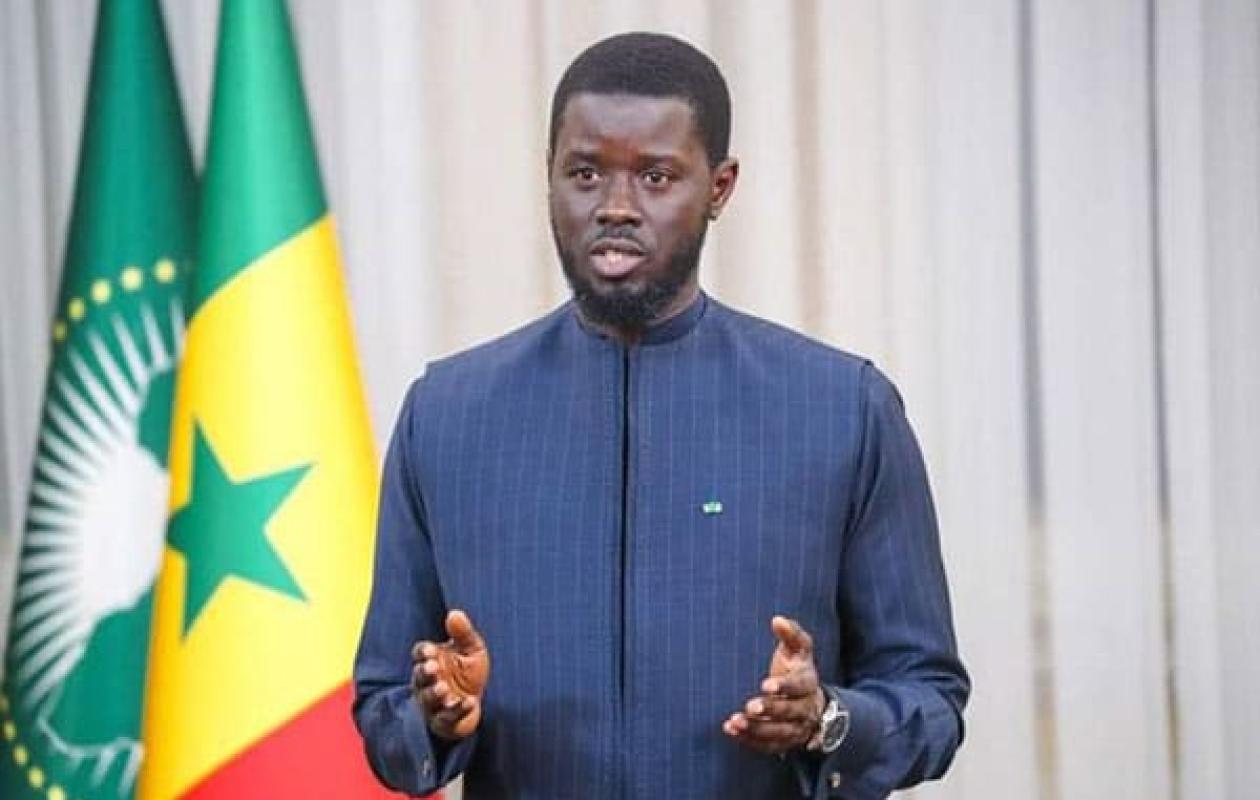
Le pari solitaire de Bassirou Diomaye Faye face au risque de blocage institutionnel
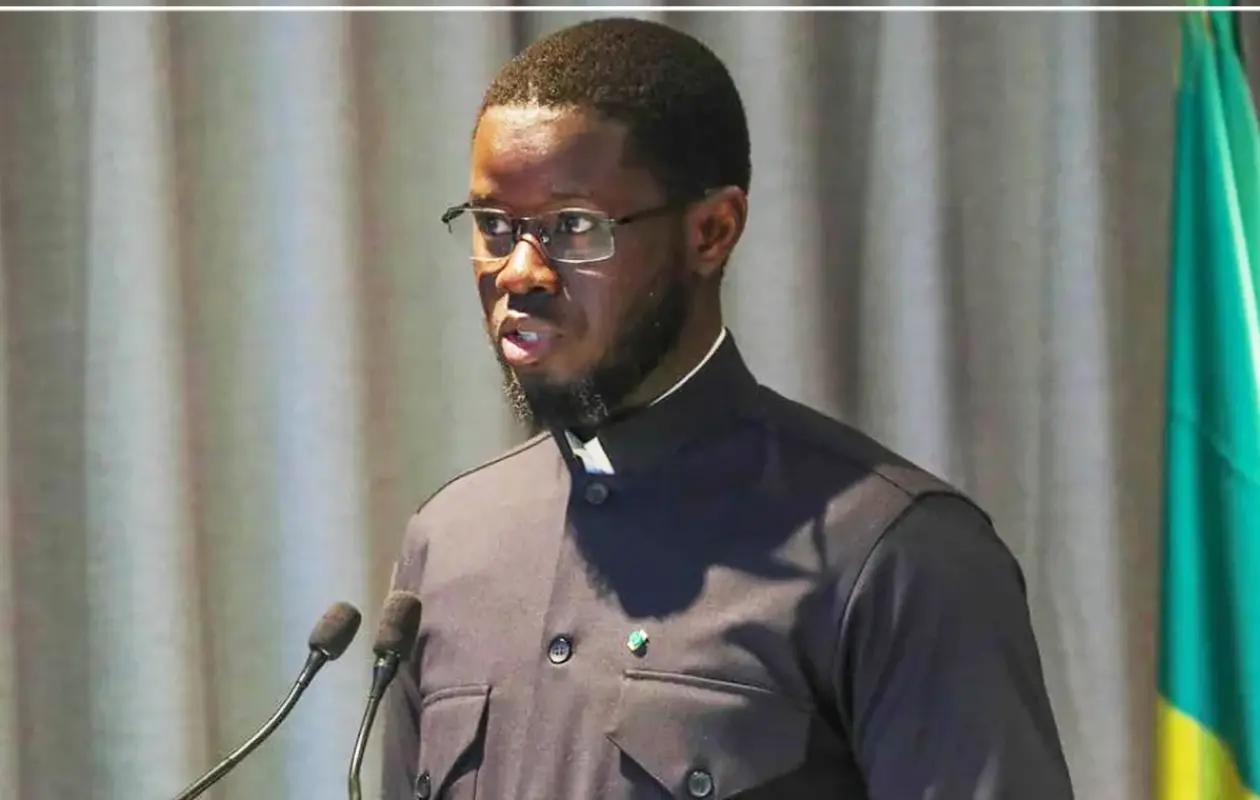
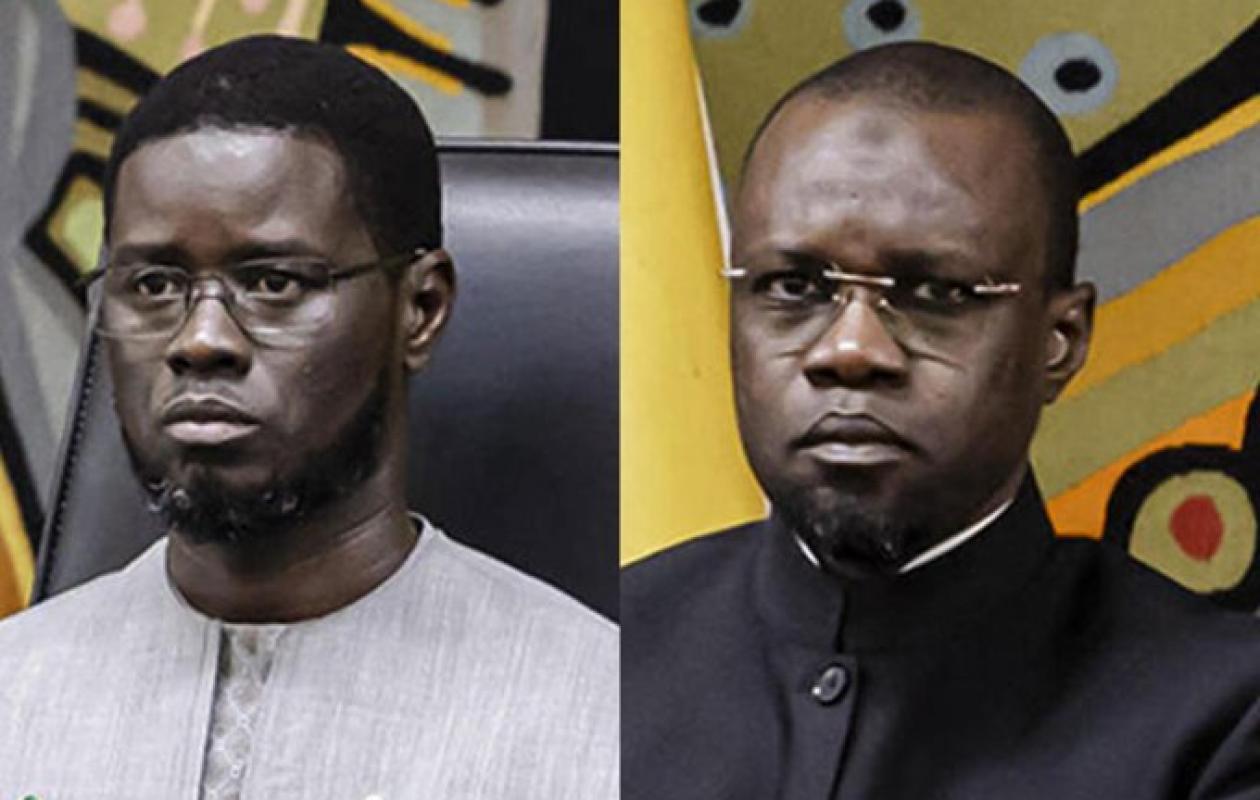
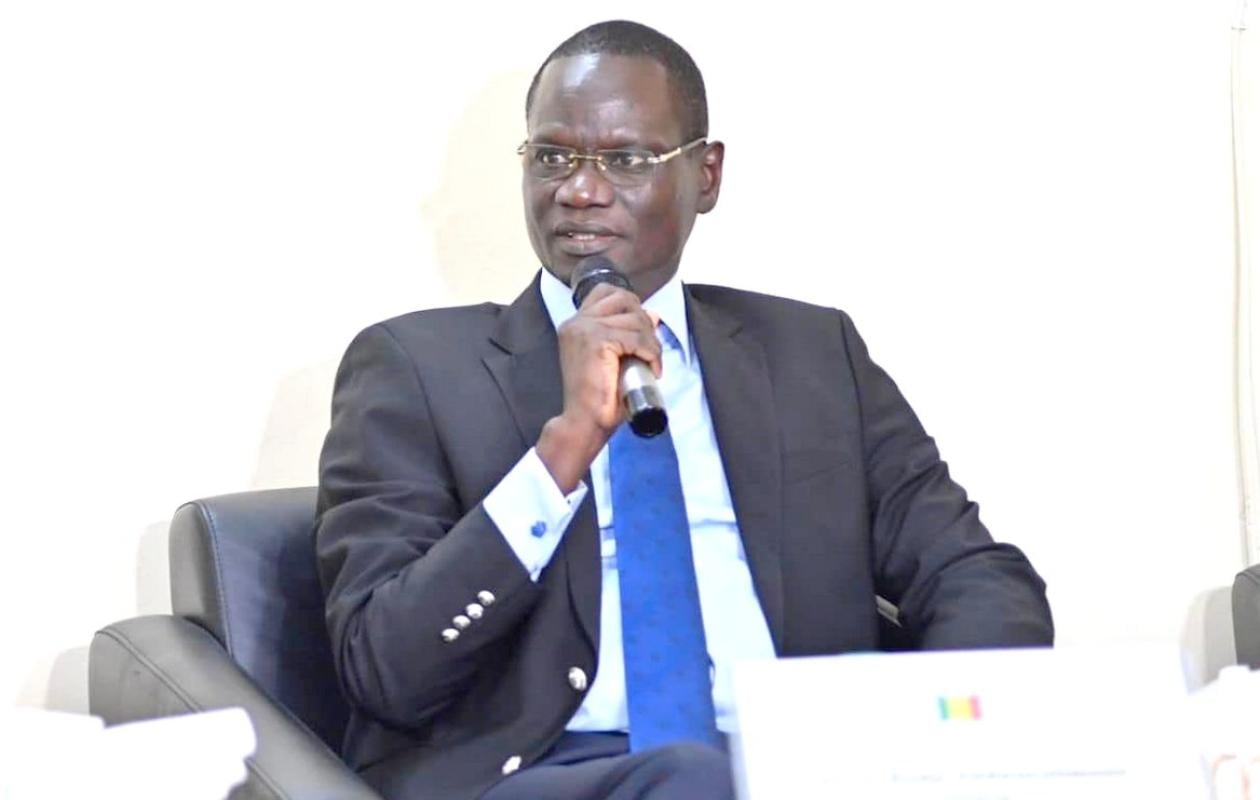
By parting ways with Ousmane Sonko and PASTEF to appoint a technocratic government led by Ahmadou Al Aminou Lô, President Bassirou Diomaye Faye is embarking on a solitary form of governance. Between repeated cabinet reshuffles, the specter of gridlock in the National Assembly, and the urgency of economic issues, the head of state is gambling the country's stability on administrative efficiency.
Breakdown in the executive branch and government instability
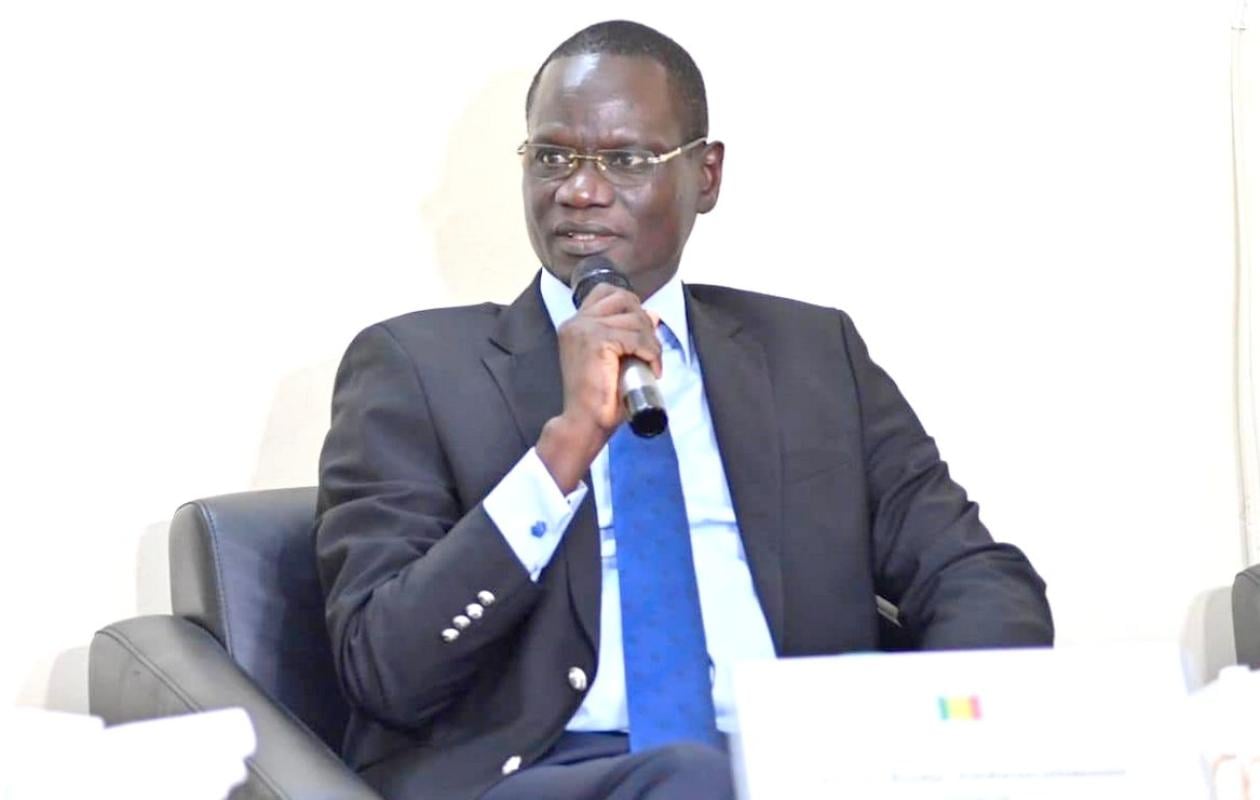
Senegal is experiencing a major political crisis. The break between President Bassirou Diomaye Faye and his former Prime Minister, Ousmane Sonko, is now complete. By removing the PASTEF leader from the Prime Minister's office and installing Ahmadou Al Aminou Lô, former National Director of the BCEAO, the Head of State is making a significant methodological shift.
This repositioning has resulted in governmental instability: in just two years, the regime has already gone through its third ministerial team. This frequent change of interlocutors raises questions about the continuity of the state. By relying on a coalition without significant electoral weight, the President is creating a period of uncertainty regarding his ability to govern.
A democratic test: the law of numbers versus isolation
At the heart of this crisis lies a debate on the principles of the democratic system. In this model, legitimacy rests on the rule of numbers: the majority governs. In Senegal, this popular majority is embodied by PASTEF, the party that championed a break with the past and mobilized voters. By choosing to distance himself from his original party and ignore the majority political force in the National Assembly, President Faye is acting against the very representation resulting from the ballot box.
Constitutionally, the head of state, elected in the first round with over 54% of the vote in March 2024, remains the sole repository of national sovereignty. His decision can be interpreted as a desire to restore the authority of the presidential office in the face of a dual executive system that is difficult to manage. On the other hand, the argument of breach of contract carries significant weight: for party activists, deviating from the project for which he was elected is tantamount to a denial of the popular will. This disconnect leads some observers to question whether a president who has broken with his base can continue to govern without putting his mandate at risk. While constitutional law does not mandate resignation, the fragility of his actual political base makes the exercise of power precarious.
The Damocles' sword of a parliamentary dissolution
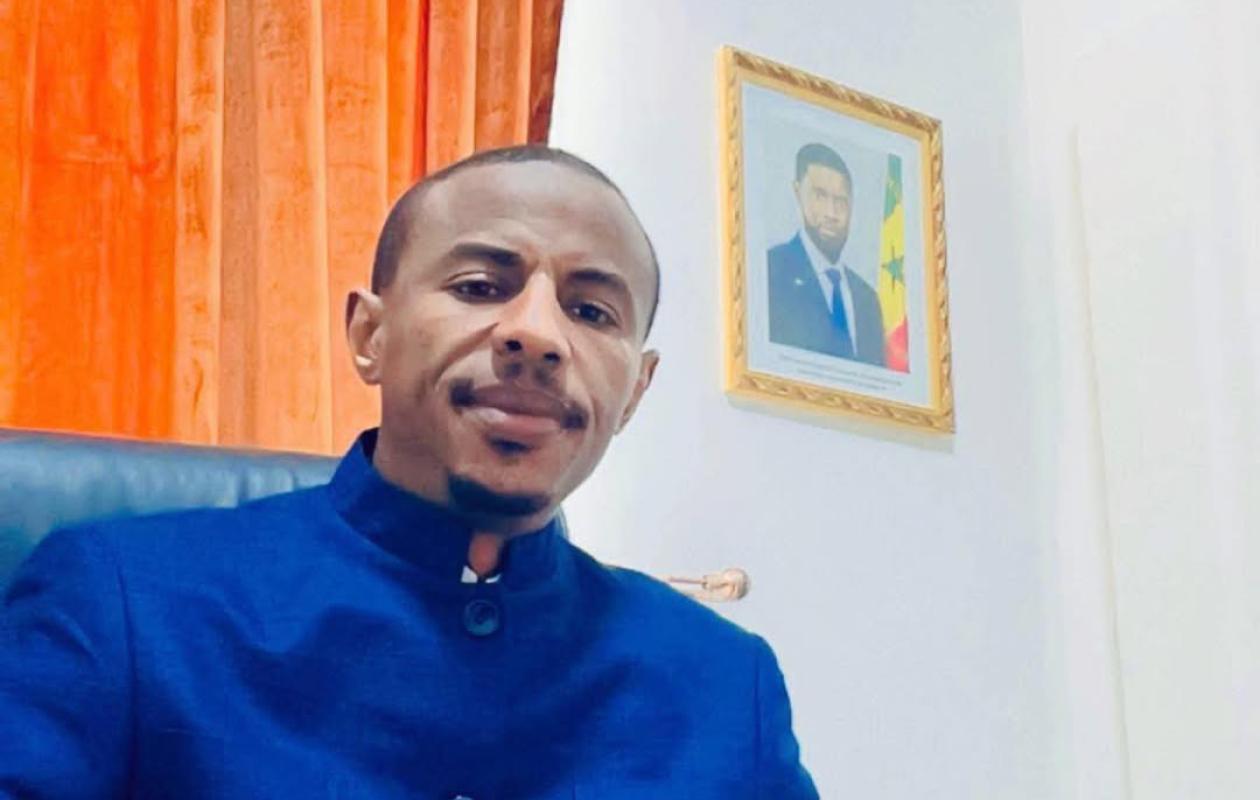
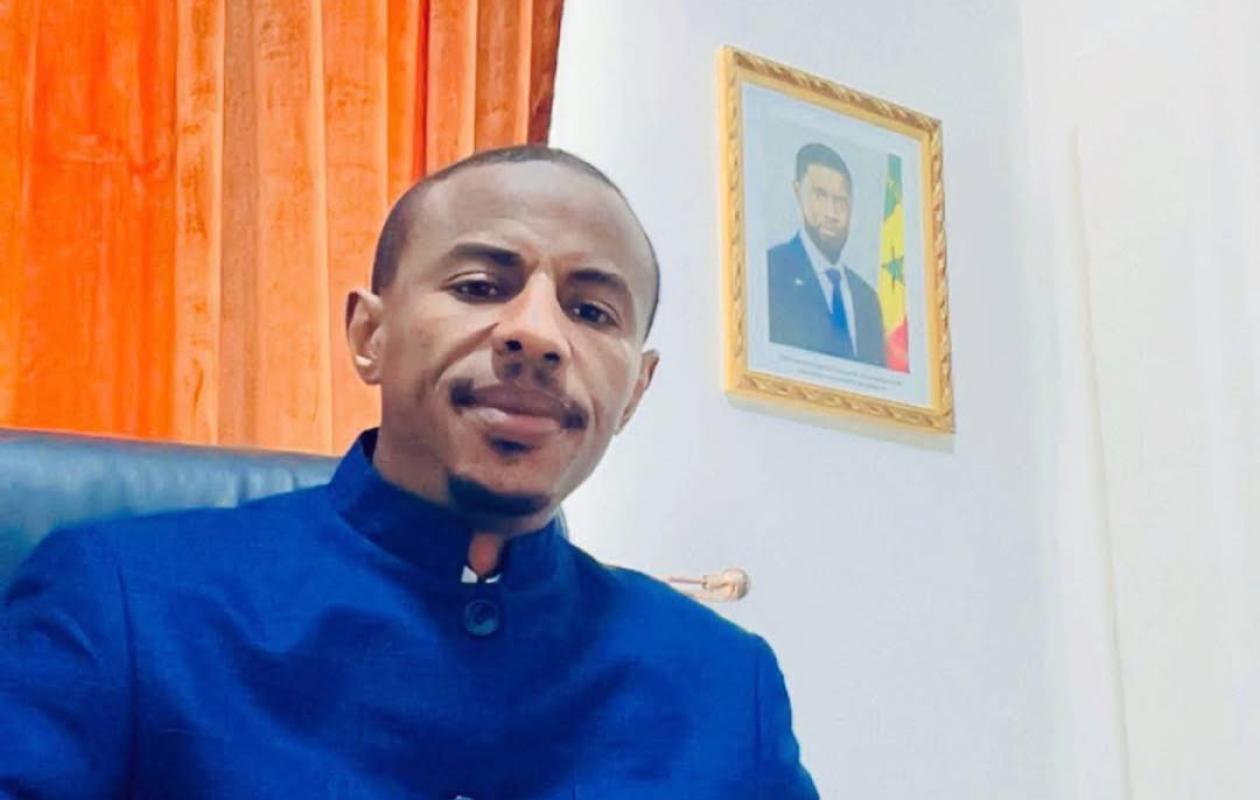
The major unknown in this new political structure lies in the attitude of the National Assembly, now presided over by Ousmane Sonko himself and supported by a majority loyal to PASTEF. Although Sonko has stated that the institution will "play along" to avoid paralyzing the state, the reality of the power dynamics suggests a war of attrition. How does President Faye intend to pass his laws and annual budget when faced with a party he no longer engages with?
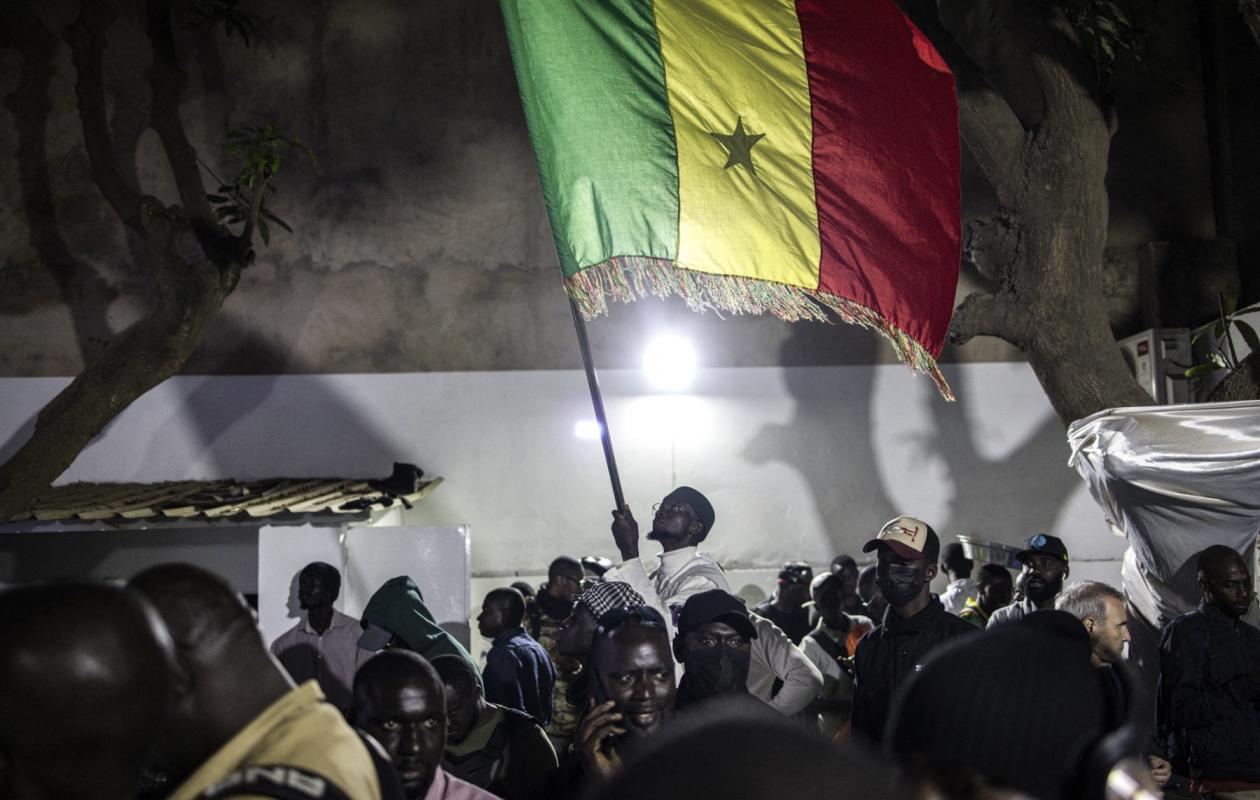
The risk of legislative paralysis is real. The head of state does not have the right to dissolve the National Assembly before the end of 2026, as the law mandates a minimum period of two years after its installation. The possibility of dissolution as soon as the legal deadline of December 2026 presents a risk: if President Faye takes this step, this third government will have been nothing more than a transitional team lasting only a few months. A new election campaign would plunge Senegal into a period of protest, to the detriment of the functioning of the state. It is in the face of this risk of deadlock that Aminata Touré's recent statement on RFI takes on its full meaning. As coordinator of the coalition, her appeal for reason serves as a reminder that the institutions of the Republic must not be used as pawns in personal disputes.
Can the economy survive instability?
While political ambitions clash at the highest levels of government, time is running out. Can the Senegalese economy, already battered by public debt tensions and the suspension of IMF aid programs, withstand this instability?
The national economy is struggling to cope with constant change. This revolving door of ministers is slowing down structural reforms, paralyzing the administration, and pushing the private sector into a wait-and-see approach. While Ahmadou Al Aminou Lô's financial expertise is certainly an asset for negotiating with donors, according to Jeune Afrique, the political crisis is undermining the credibility of the state's signature. The population is waiting for urgent solutions to the high cost of living and youth unemployment, while stability is also threatened by the security crisis in the Sahel sub-region.
By prioritizing technocratic efficiency over the popular legitimacy and sheer numbers of PASTEF, Bassirou Diomaye Faye is gambling with his political future. If this crisis escalates into a complete budget impasse, the country risks a financial collapse that will be difficult to reverse. History will tell whether this isolation was a deliberate choice by the state or a strategic error for Senegal's future.











Commentaires (33)
Participer à la Discussion
Règles de la communauté :
💡 Astuce : Utilisez des emojis depuis votre téléphone ou le module emoji ci-dessous. Cliquez sur GIF pour ajouter un GIF animé. Collez un lien X/Twitter, TikTok ou Instagram pour l'afficher automatiquement.