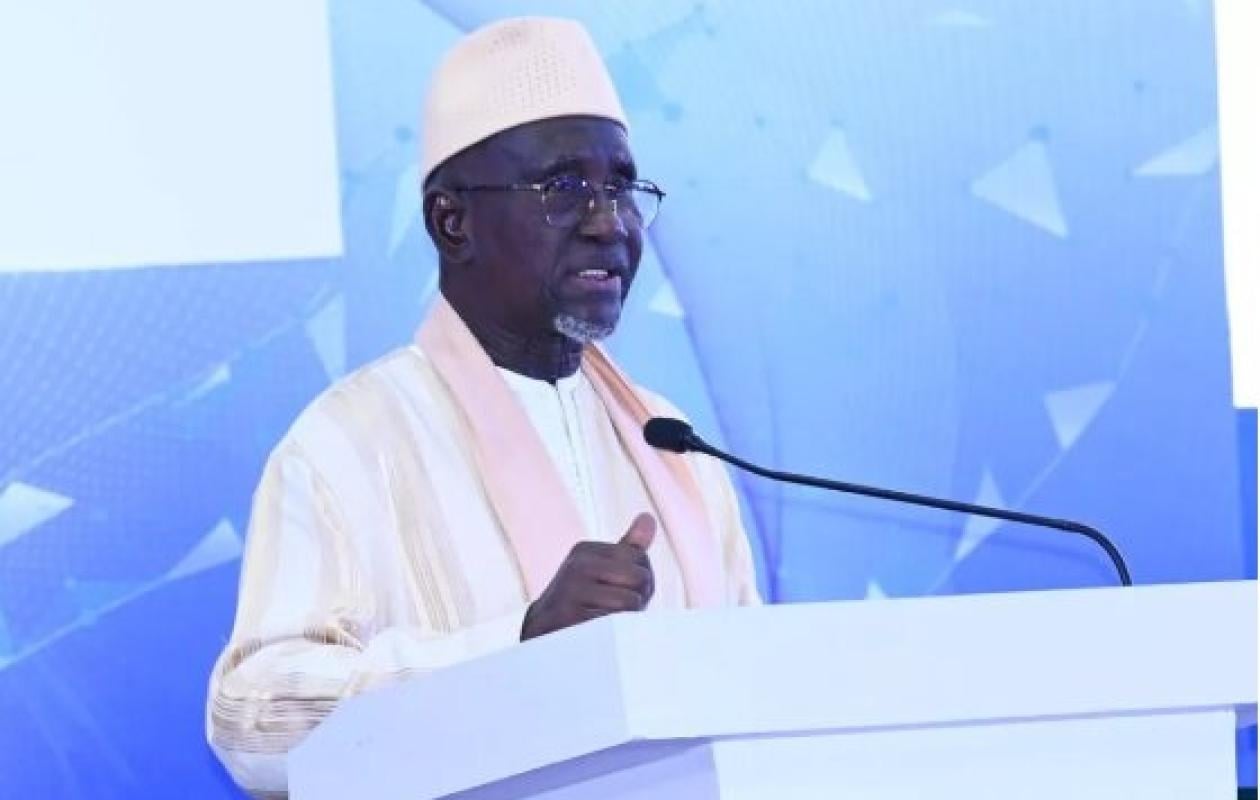
Ponctions sur salaire : « Pas de travail, pas de paye », la sentence sans appel de Me Massokhna Kane
Mr. Massokhna Kane offered a counter-current interpretation of the ongoing debate on relations between the state and unions. While some criticize the authorities for taking an overly rigid stance, particularly after tensions with teachers, he believes, on the contrary, that the state is being too lenient.
According to him, the proliferation of unions complicates social dialogue and weakens the coherence of negotiations. "There are too many unions, just as there are too many political parties," he observes, pointing to internal disagreements that make any structured discussion with public authorities difficult.
On the sensitive issue of salary deductions, particularly in the education sector, Mr. Kane takes an unambiguous stance. He believes that remuneration must be strictly linked to the work performed, especially in the public sector, which is funded by public money.
“Those who haven’t worked shouldn’t be paid,” he asserts, arguing that payment without service rendered amounts to an unjustified use of public resources. He points out that in many countries, unions support striking workers, unlike some practices observed in Senegal. However, he qualifies this statement by acknowledging that the methods of deduction must comply with legal regulations, particularly regarding seizure limits.
Addressing the consequences of social movements, Mr. Kane emphasizes the direct impact on students, whom he considers the first victims of prolonged strikes. He also denounces certain behaviors deemed unacceptable, particularly when students prevent their classmates from attending classes or exert pressure on others.
In his view, these excesses reflect a lack of authority and call for a firm response. "There must be discipline, and only authority can establish it," he asserts, rejecting any form of tolerance towards these practices.
Beyond the current tensions, the president of SOS Consommateurs is advocating for a thorough reform of essential sectors such as education, healthcare, and justice. He proposes the establishment of specific statuses for these professions, with improved working conditions in exchange for limiting the use of strikes, similar to the system in place for the defense and security forces.
According to him, these sectors, among the most useful to society, paradoxically remain the least well-treated. He therefore calls for a structural revaluation, while denouncing certain recruitment practices that he considers ineffective, particularly politically motivated hiring at the expense of competence.
Mr. Massokhna Kane calls for accountability from all stakeholders. While the State must improve working conditions and anticipate social crises, unions, for their part, must integrate the imperatives of ensuring the continuity of public service. In a context where prolonged strikes weaken sectors already under strain, he warns of the lasting consequences for the population, calling for a rebalancing between social rights, discipline, and the efficiency of public service.




















Commentaires (2)
Participer à la Discussion
Règles de la communauté :
💡 Astuce : Utilisez des emojis depuis votre téléphone ou le module emoji ci-dessous. Cliquez sur GIF pour ajouter un GIF animé. Collez un lien X/Twitter, TikTok ou Instagram pour l'afficher automatiquement.