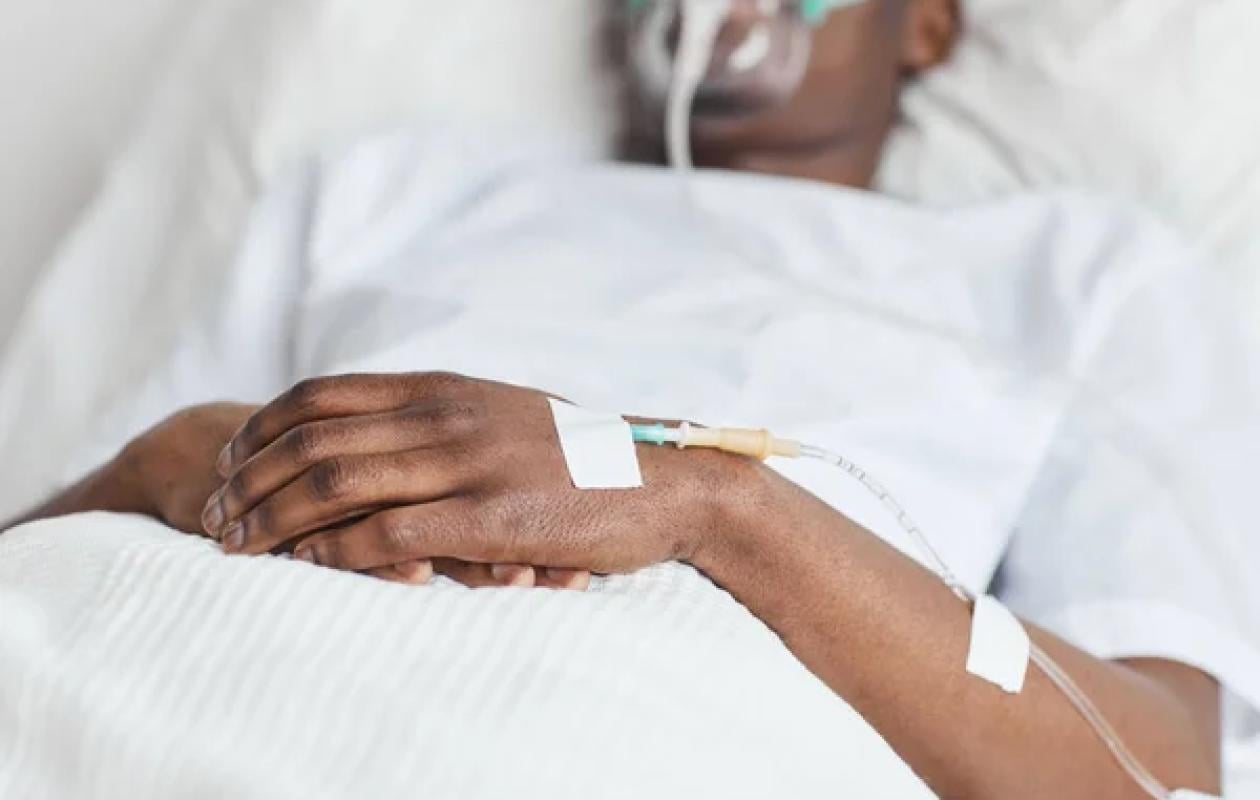
[Focus] AVC : « Un patient sur trois hospitalisés en neurologie n'en survit pas » (2/2)
Strokes are now one of the leading medical emergencies in Senegal and the West African sub-region. At the fifth annual scientific conference of the Senegalese Association of Neurology, Professor Maouli Fall, head of the neurology department and president of the organizing committee, highlighted the scale of the phenomenon, the challenges of patient care, and the urgent need for prevention.
According to Professor Maouli Fall, these scientific conferences primarily aim to foster exchanges between Senegalese and sub-regional specialists in order to improve medical practices in neurology. "The overall objective is to exchange ideas with our colleagues from the sub-region and Senegal to improve our daily practices. This year, we have chosen to focus particularly on neurological emergencies," he explains.
These emergencies include strokes, but also comas, meningitis and certain pathologies of the peripheral nervous system, notably Guillain-Barré syndrome, a condition that can cause acute paralysis and sometimes rapidly compromise respiratory function.
Strokes, a major public health emergency
Strokes are now the leading cause of hospitalization in neurology in Senegal. “In the major neurology departments of the sub-region, particularly in Abidjan, Lomé, and Cotonou, strokes account for almost two-thirds of hospitalized patients. In Senegal, the situation is similar, especially in referral centers like Fann Hospital and Pikine Hospital,” explains the neurologist. Even more worrying, a third of deaths recorded in neurology are linked to strokes, confirming their severity and their impact on public health.
Diseases exacerbated by lifestyles
Professor Fall emphasizes the importance of risk factors related to non-communicable diseases. "Strokes are strongly associated with high blood pressure, diabetes, obesity, and a sedentary lifestyle. Modifying lifestyle habits is a key lever for reducing their incidence," he stresses. Contrary to some misconceptions, strokes generally occur suddenly and unpredictably. They can manifest as speech, vision, or motor impairments and, in the most severe cases, lead to a coma.
Urgent but costly treatment
Rapid intervention is a crucial factor. The specialist points out that the optimal therapeutic window is approximately 4 hours and 30 minutes after the onset of symptoms. "During this time, it is possible to perform the necessary examinations, including a brain scan, and to administer thrombolysis, a treatment that dissolves the clot responsible for the stroke."
Unfortunately, this treatment can cost up to 1.2 million CFA francs, which remains difficult for many patients to afford,” he laments. Beyond this timeframe, treatment is still possible, but with a high risk of often irreversible after-effects.
A shortage of specialists, but encouraging prospects
Senegal currently has approximately 75 neurologists for a population of nearly 18 million, a number considered insufficient, even though the country remains relatively better equipped than several other states in the sub-region. "Significant efforts are underway in specialized training in neurology, particularly at the university level. We hope that this number can double, or even triple, in the next five to ten years," concludes Professor Fall.




















Commentaires (4)
Participer à la Discussion
Règles de la communauté :
💡 Astuce : Utilisez des emojis depuis votre téléphone ou le module emoji ci-dessous. Cliquez sur GIF pour ajouter un GIF animé. Collez un lien X/Twitter, TikTok ou Instagram pour l'afficher automatiquement.