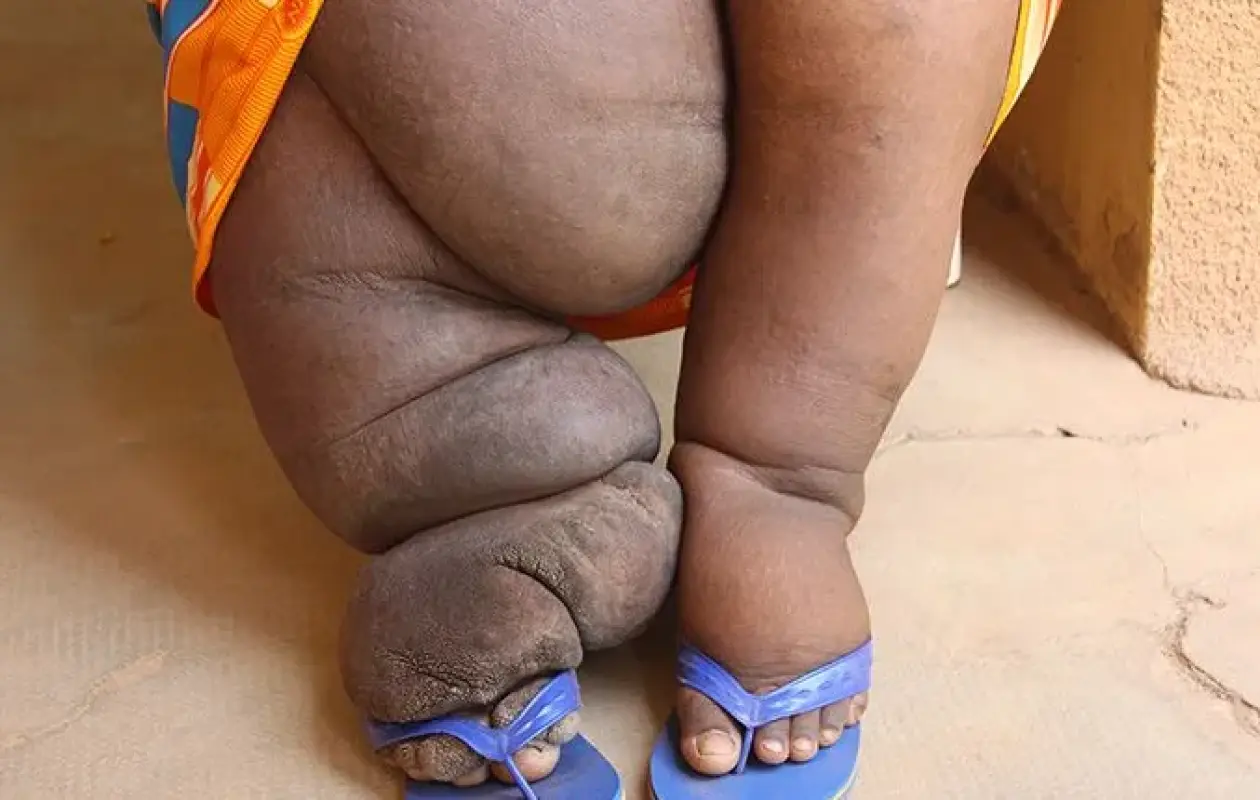
[Focus] Lymphœdème : Le calvaire des "malades de l'ombre" entre douleur et stigmatisation
Lymphedema, a rare and chronic disease, remains largely unknown to the general public. Yet, it affects thousands of patients worldwide and in Senegal. Between physical pain, social stigma, and high treatment costs, sufferers often endure in silence. Behind the progressive swelling of a limb, often mistakenly considered benign or even supernatural, lies a debilitating condition that disrupts the lives of those confined to bed.
Few people are familiar with the disease; many suffer from it but have never understood it. Hence the question: what is lymphedema?
"Lymphedema manifests as a progressive swelling of an upper or lower limb, accompanied by thickening of the skin, pain, and sometimes recurrent infections," according to angiologist and cardiologist Dr. Maodo Diop. This disease, he says, results from a dysfunction of the lymphatic system, one of the three major fluid circulation systems in the body.
"Lymphedema corresponds to a deficiency of the lymphatic system. It can be congenital, linked to a malformation of the lymphatic network, or acquired, notably following infections, parasitic attacks or certain medical treatments, particularly in the context of cancer," explains the specialist.
The lymphatic system plays a vital role in immunity and the removal of cellular waste. When it is damaged, fluids accumulate in the tissues, causing chronic swelling known as edema. Without appropriate treatment, the condition can progress to serious complications. The skin gradually becomes hard and dry, cracks, and becomes an entry point for bacterial or fungal infections. These complications can lead to severe inflammatory episodes and functional disability.
A common but neglected disease
In Senegal, some neglected tropical diseases, including lymphatic filariasis, continue to affect vulnerable populations, with more than 650,000 people at risk of infection, particularly in rural areas of the peanut basin and the Senegal River valley.
Globally, “lymphedema is often associated with lymphatic filariasis, a parasitic disease transmitted by mosquitoes and classified as a neglected tropical disease. It is estimated that more than 120 million people are infected worldwide, several million of whom suffer from chronic manifestations such as elephantiasis or lymphedema. At least 15 million people are currently living with lymphedema related to this infection, while more than 657 million individuals remain at risk in 39 countries,” according to the World Health Organization. In Africa, the disease remains particularly prevalent, the organization reports: “an estimated 4.6 million cases of lymphedema are linked to lymphatic filariasis on the continent.”
Behind these figures lie life stories often marked by suffering and medical misdiagnosis. "I've been living with this foot for almost ten years. At first it hurt, then it started to swell. I travelled almost all over the country looking for treatment. Some people said it was a supernatural illness," testifies one patient.
Faced with a lack of information and specialized facilities, many patients turn to traditional healers before seeking medical care. "My husband and I have spent all our savings. The treatment is lifelong and the medications are very expensive. I also have to regularly buy compression stockings. It's not easy to live with," she confides.
Stigmatization and social exclusion
Beyond the physical pain, patients also have to cope with societal stigma. Aïssatou Mbodj, president of the Association of People with Lymphedema, emphasizes that the disease remains largely misunderstood. "Lymphedema is very poorly understood and often leads to stigmatization. When I was diagnosed, I didn't know anything about this disease. Some people thought it was something mystical," she says.
This lack of awareness leads to delays in diagnosis and treatment. Patients also face several obstacles: limited access to specialized care, a lack of compression equipment, and insufficient training for healthcare personnel.
A critical shortage of specialists
At the Idrissa Pouye General Hospital in Grand Yoff, one of the few centers where patients can receive specialized care, demand far exceeds capacity. State-certified nurse Aminata Mbaye, specializing in vascular medicine, is almost single-handedly managing the care.
“I received my training in France and I continue my professional development. But for now, I’m the only one providing this care. Patients come from Thiès, Mbour, or Fatick to be treated here,” she explains. The treatment focuses on therapeutic compression, bandaging, skin care, and educating patients so they can manage their own treatment on a daily basis.
Breaking the silence surrounding the disease
Faced with these challenges, patient associations are advocating for greater recognition of lymphedema in public health policies, particularly within the framework of the fight against neglected tropical diseases. World Lymphedema Day, celebrated every March 6, is being organized this year for the first time in Senegal by the Association of People Living with this Condition. This initiative aims to break the silence surrounding this invisible illness, raise awareness in communities, and improve patient care. For those living with lymphedema, the fight is not limited to medical treatment: it is also a struggle for dignity, recognition, and access to healthcare.
















Commentaires (7)
Participer à la Discussion
Règles de la communauté :
💡 Astuce : Utilisez des emojis depuis votre téléphone ou le module emoji ci-dessous. Cliquez sur GIF pour ajouter un GIF animé. Collez un lien X/Twitter, TikTok ou Instagram pour l'afficher automatiquement.