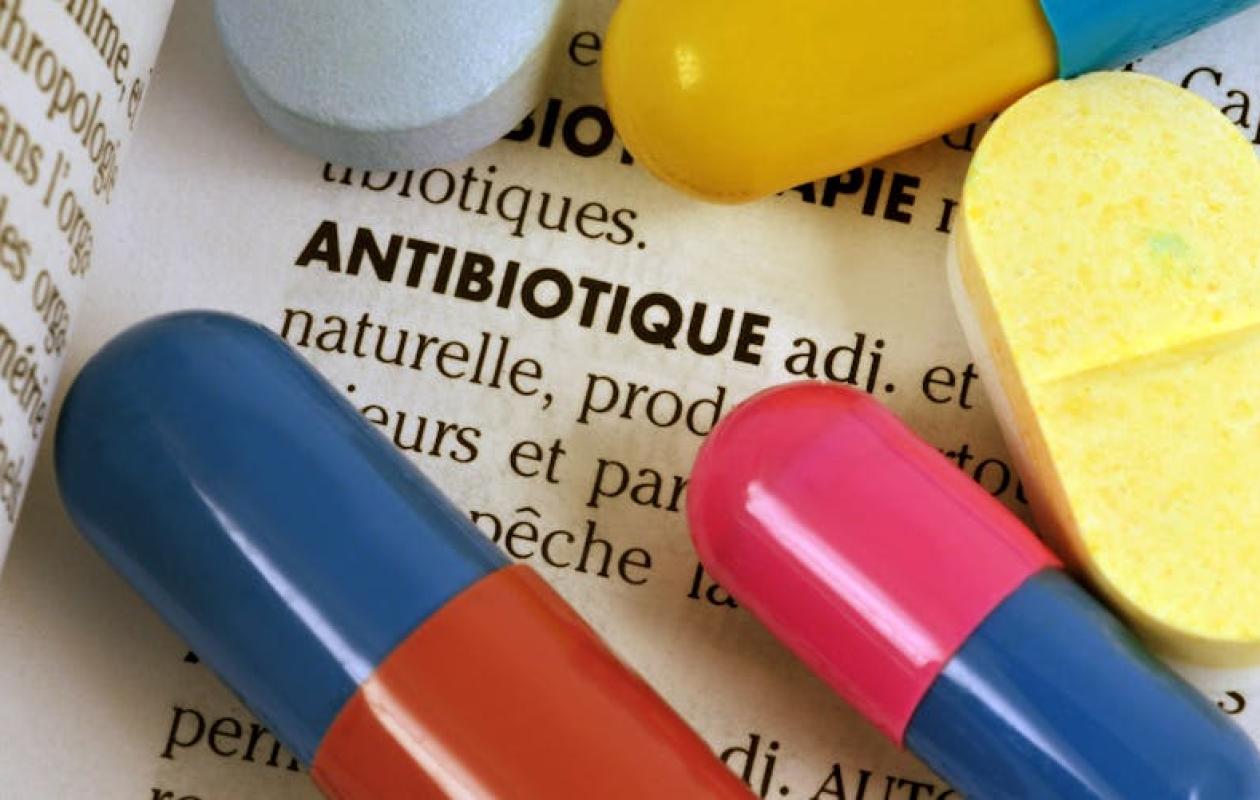
[Focus] Résistance aux antibiotiques : l’autre bombe sanitaire qui menace le Sénégal
In Senegal, as in the rest of the world, antimicrobial resistance (AMR) is emerging as a major health crisis. It jeopardizes decades of medical progress. Between antibiotic overuse, inadequate diagnostics, and vulnerable healthcare systems, experts are sounding the alarm. Dr. Maguette Ndoye, a medical officer and microbiologist at Dakar's Main Hospital, points out that antibiotic resistance is not new. Microorganisms, in constant competition for survival, naturally develop resistance mechanisms that they can share with each other. But, she says, "this phenomenon has worsened considerably with the massive and sometimes inappropriate use of antibiotics." "Antibiotics have reduced mortality from bacterial infections. But their very success has fostered the emergence of resistance," she explains. She emphasizes that "taking an antibiotic for a viral infection like the flu can be dangerous because it eliminates protective bacteria and sets the stage for more severe infections. This means that bacteria that were once easy to treat become real threats."
A global danger: up to 10 million deaths per year by 2050
According to Professor Khadidiatou Ba Fall, an infectious disease specialist, antimicrobial resistance (AMR) was already responsible for 1.2 million deaths in 2019, a figure higher than those of HIV/AIDS and malaria. Without urgent action, it could cause 10 million deaths per year by 2050, or one death every three seconds. The causes are numerous. They include unnecessary prescriptions in human medicine, the massive use of antibiotics in livestock farming, environmental contamination, the lack of rapid diagnostic tests, and the circulation of counterfeit drugs. "Modern medicine is in danger: transplants, chemotherapy, neonatal care, and treatments for tuberculosis or pneumonia will become extremely risky without effective antimicrobials," warns Professor Ba.
A critical turning point for Africa
Professor Ndèye Marie Dia Badiane emphasizes that Africa faces a dual threat: infectious diseases persist while non-communicable diseases are on the rise. In this context, antimicrobial resistance (AMR) further complicates patient care and increases preventable deaths. She notes that the congress offers a crucial opportunity to mobilize researchers, clinicians, and policymakers around research, training, and improved healthcare. It is worth noting that in Senegal, 40% of medical prescriptions contain an antibiotic. "In Senegal, the situation is particularly worrying," according to infectious disease specialist Dr. Sadikh Badiane, where four out of ten prescriptions include an antibiotic, often unjustifiably. Self-medication, over-the-counter sales, the proliferation of counterfeit drugs, and uncontrolled veterinary use further exacerbate resistance.
"Many patients arrive at the hospital already with established resistance," he laments. The consequences are serious; difficult-to-treat infections, avoidable deaths, longer hospital stays, increased costs, and increased pressure on a fragile health system.
Senegal's response: strengthen laboratories and promote proper use
Aware of the scale of the threat, the Senegalese government is intensifying its efforts. Dr. Samba Cor Sarr, Chief of Staff to the Minister of Health, points out that the fight against AMR is now integrated into the national health policy within a One Health approach, linking human health, animal health, and the environment.
He cites several ongoing initiatives, including strengthening diagnostics, accrediting laboratories, improving hospital hygiene, promoting applied research, and implementing the Special Laboratory Development Plan 2024-2028, aligned with the Senegal 2050 Vision. The Dakar Main Hospital, a pioneer in this area, created the first Francophone mobile antibiotic therapy team in Africa, dedicated to promoting the proper use of antibiotics and supporting prescribers in the departments.
A collective imperative: to change practices
Antimicrobial resistance is an immediate danger. Restoring the effectiveness of antibiotics requires a collective effort from everyone: healthcare professionals, pharmacists, veterinarians, local authorities, the agricultural sector, and the general public. As the Secretary General of the Ministry, Serigne Mbaye, emphasized, "The fight against antimicrobial resistance is not just the Ministry's responsibility. Every stakeholder must play their part." Furthermore, stakeholders are working to prevent a return to the pre-antibiotic era. Indeed, if nothing is done, infections that are currently benign will once again become deadly. Senegal, like other countries, must continue its efforts to control antimicrobial use, strengthen its laboratories, monitor resistant bacteria, and prevent infections. "Preserving the effectiveness of antibiotics is not a luxury. It is a vital necessity to guarantee the future of modern medicine," concluded Dr. Ndoye.







![[EXCLUSIF] Le lutteur Ama Baldé arrêté par la BR de Keur Massar](https://image.seneweb.com/content/news/2026-22-27//thumb_1260x800_6a174f4ee60cb_SOgkg3Pd2C.png)













Commentaires (7)
Cest juste pathetique.. en tout cas on doit vraiment s'y mettre dautant plus que 80% des senegalais nont pas de prise en charge, beaucoup trainent avec des maladies, et l'abus des medicaments est tres souvent eleve.. le senegalais aime les medicaments et qq fois il n'analyse pas pour voir les bienfaits et mefaits.. FAITES qq chose, je tire la sonnette d'Alarme au Ministere de la SANTE..
Agissons maintenant : protégeons notre présent, sécurisons notre avenir
Dépister vous .
Participer à la Discussion
Règles de la communauté :
💡 Astuce : Utilisez des emojis depuis votre téléphone ou le module emoji ci-dessous. Cliquez sur GIF pour ajouter un GIF animé. Collez un lien X/Twitter, TikTok ou Instagram pour l'afficher automatiquement.