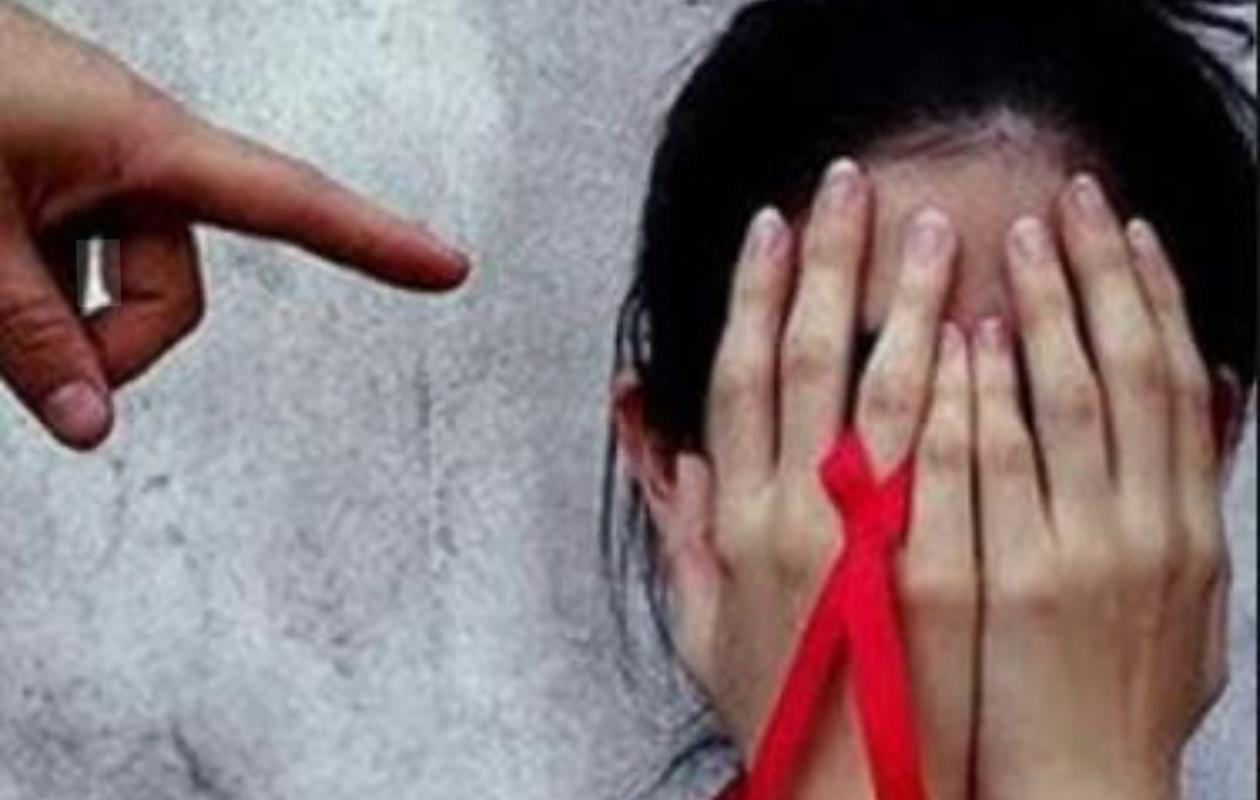
Séropositivité : Quand la stigmatisation et le rejet familial détruisent le quotidien des femmes vivant avec le VIH
Despite medical advances and awareness campaigns, women living with HIV continue to face persistent stigma and discrimination that undermine their daily lives. This observation was reaffirmed during a meeting between the And Bokk Yakaar (ABOYA) association and health journalists, held this Friday in Guédiawaye.
Family rejection, the first form of violence
Association leaders emphasize that family rejection remains the most frequent form of violence. Some women are evicted from their homes after disclosing their status, while others are forced into silence to avoid conflict, shame, or marital breakdown. "Many arrive here without any solutions, sometimes not even a place to sleep," confides one of the leaders. The stigma also affects children living with the virus: mockery at school, rumors, isolation. In some cases, mothers are even afraid to take legal action when their rights are violated, for fear that their status will be made public.
Faced with these realities, ABOYA supports women through community mediators in health facilities, a temporary shelter for rejected women, psychosocial support to strengthen resilience, educational support for children, and income-generating activities. These actions help restore the dignity and autonomy of the beneficiaries, but remain insufficient given the scale of the needs.
Reduced funding and obstacles to fundamental rights
Indeed, while antiretroviral treatments now allow women to live normal lives with HIV, discrimination continues to deprive them of their fundamental rights: employment, housing, family support, or simply respect. The organization also warns of a decline in international funding, which threatens community-based initiatives while new cases continue to be detected, particularly among young women. ABOYA has launched an appeal to journalists to raise awareness, combat misconceptions, and promote responsible discourse in order to reduce the fear and shame associated with HIV. Because, despite progress, stigma and discrimination remain among the greatest obstacles to the quality of life of women living with HIV.























Commentaires (5)
Participer à la Discussion
Règles de la communauté :
💡 Astuce : Utilisez des emojis depuis votre téléphone ou le module emoji ci-dessous. Cliquez sur GIF pour ajouter un GIF animé. Collez un lien X/Twitter, TikTok ou Instagram pour l'afficher automatiquement.