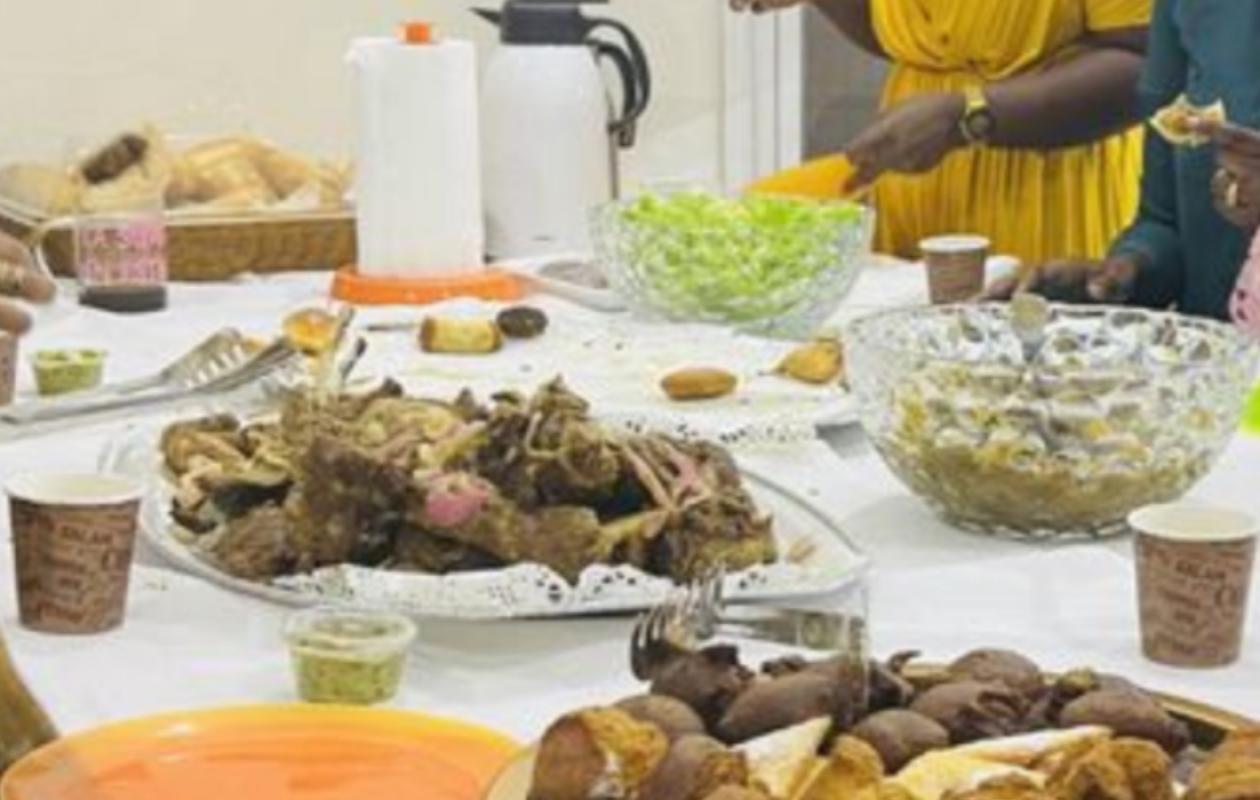
Saveurs d'enfance et tables vides : L'épreuve silencieuse des fidèles de la diaspora
Ramadan is often presented as a month of sharing, devotion, solidarity, and family reunions around the "ndogou" meal. But for many Muslims living far from their homeland, this period is experienced in a very different setting. In Europe as in Senegal, far from their roots, some faithful cope with distance, absence, and nostalgia.
The challenge of daily life in a foreign land
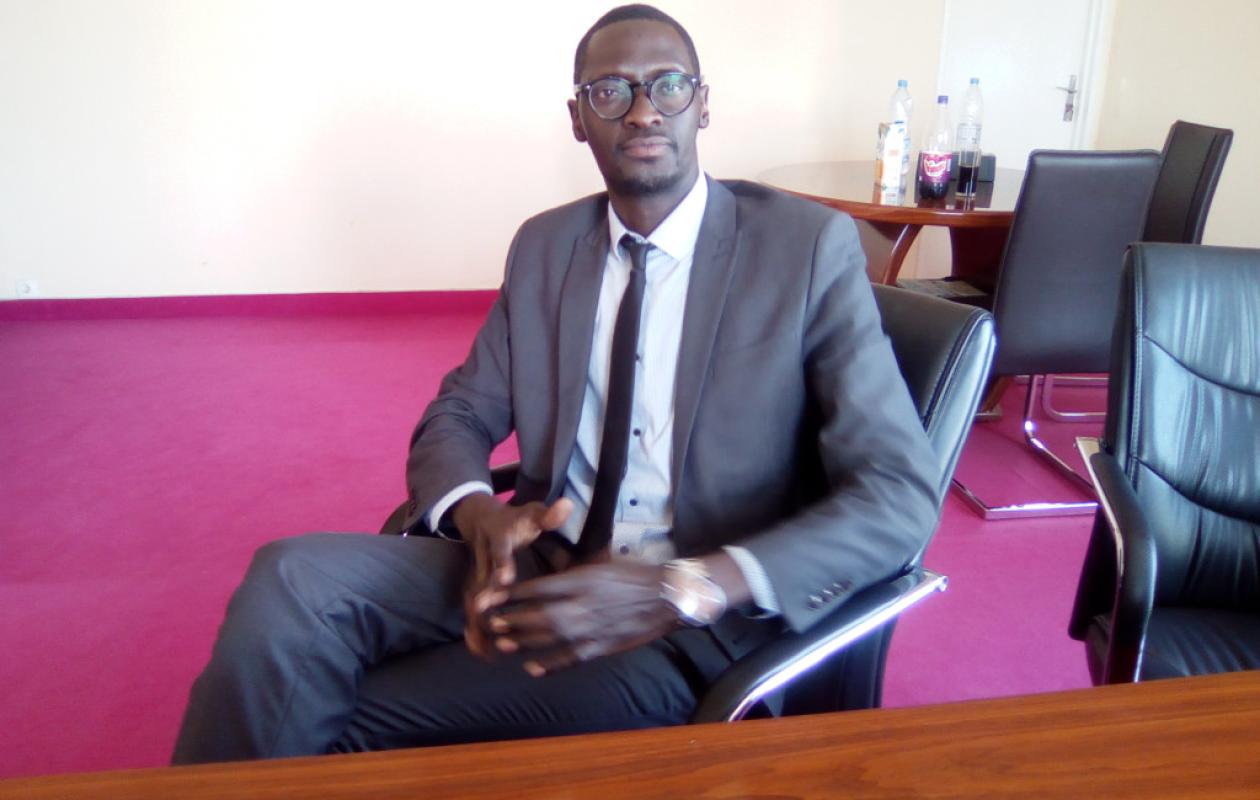
Ousmane Sow, of Senegalese origin and now living in Le Havre, arrived in France for his studies over forty years ago and has never left the country. Active in community organizations and later involved in both Senegalese and French politics thanks to his dual nationality, he has built his life far from his homeland. Yet, every Ramadan brings back a very real sense of loss: the experience of fasting without the familiar atmosphere of his homeland.
“Midday is the hardest time,” he confides. Between work and fatigue, the hours seem to drag on. Breaking the fast, once a time for socializing, sometimes becomes a solitary exercise: “You have to prepare everything yourself.” Even when you share the same roof, different lifestyles can exacerbate the isolation. His eldest daughter lives with him, but their schedules hardly ever coincide. Ramadan, under these circumstances, is experienced with discretion and endurance.
Organization, a new challenge of the holy month
In Germany, where she has lived since 2020, Fatou Mbaye Ba is observing her sixth Ramadan away from Dakar. Having gone to join her husband, she says that fasting isn't the most challenging aspect. The real challenge lies in the organization. Balancing work, daily chores, and meal preparation requires constant discipline. During the week, iftar is often eaten alone; family meals are reserved for weekends. The European pace of life, less focused on community, profoundly changes how the blessed month is experienced. Time is short, and so is the atmosphere.
Nostalgia for flavors and traditions
Beyond the material constraints, it is above all the emotional void that marks these journeys. The ndogou in Senegal, the large tables, the neighbors sharing the meal, and the aromas of cooking as Maghrib approaches remain vivid memories. Fatou Mbaye confides that she is thinking of her father, who passed away, at the time of the break.
Meanwhile, a Comorian student who has been living in Senegal for three years is also experiencing Ramadan far from her homeland. While the religious fervor is present, she misses certain cultural aspects: "It's mostly Comorian dishes," she explains. The traditional recipes and flavors of her childhood remain irreplaceable. To maintain the connection, she sometimes recreates these specialties in her Senegalese kitchen.
Despite the distance, none of them question the essentials. Ramadan remains a pillar, a time for spiritual refocusing and patience. Whether they are in France, Germany, or Senegal, these faithful share the same faith. Distance sometimes makes the separation more silent and the memories more vivid, but it also strengthens resilience. For beyond borders, Ramadan remains an invisible bond that unites hearts.


















Commentaires (1)
Participer à la Discussion
Règles de la communauté :
💡 Astuce : Utilisez des emojis depuis votre téléphone ou le module emoji ci-dessous. Cliquez sur GIF pour ajouter un GIF animé. Collez un lien X/Twitter, TikTok ou Instagram pour l'afficher automatiquement.