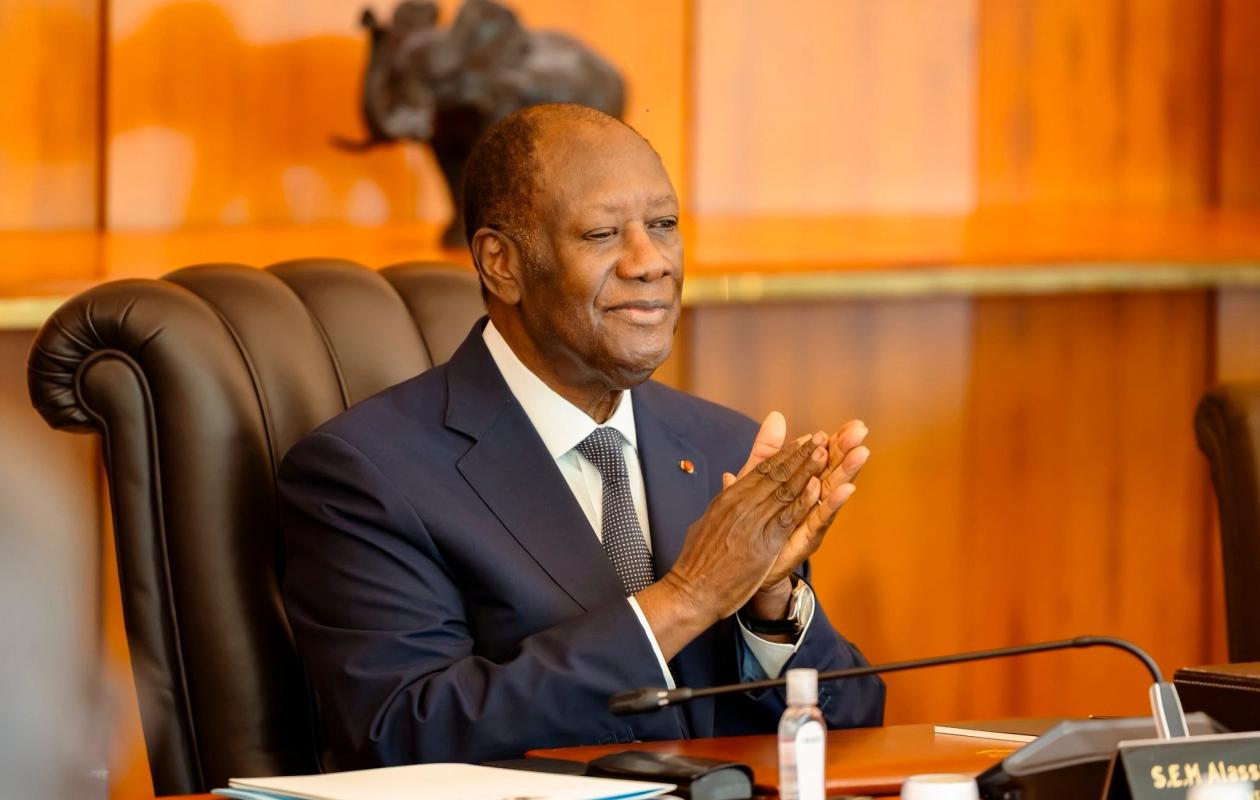
Côte d'Ivoire : Budget record de 17 350,2 milliards de FCFA
Côte d'Ivoire has adopted its 2026 Finance Law, marking a new stage in its sustained growth, with a balanced budget of 17,350.2 billion CFA francs. This amount represents a significant increase of 13.1% compared to the 15,339.2 billion CFA francs projected for 2025.
The 2026 budget, passed on Tuesday, December 2nd by 157 out of 251 members of parliament, is structured around 29 allocations and 158 programs, including 39 Special Treasury Accounts. This budgetary approach marks the beginning of the implementation of the 2026-2030 National Development Plan, whose ambitious objective is to increase the average per capita income to $4,000 (compared to $2,700 in 2024) and reduce the national poverty rate to less than 20% by 2030.
The 2026 Finance Law is based on favorable economic prospects. The Ivorian Minister of Finance and Budget, Adama Coulibaly, welcomed the "resilience of the national economy", with a projected growth rate of 6.7% in 2026 (after 6.5% in 2025).
For the first time since the Covid-19 crisis, the government is planning to broaden the tax base, which should bring tax revenues to 15.7% of GDP in 2026 (compared to 15% in 2025).
Despite the sharp increase in spending, the Ivorian government maintains its objective of keeping the budget deficit below the 3% of GDP threshold set by the West African Economic and Monetary Union (UEMOA). The document emphasizes the continuation of major infrastructure projects and the funding of essential public services.
It should be noted that prior to this vote, the Assembly also approved adjustments to the 2024 budget, increasing the initial budget from 13,720.7 billion to 13,837.5 billion FCFA.
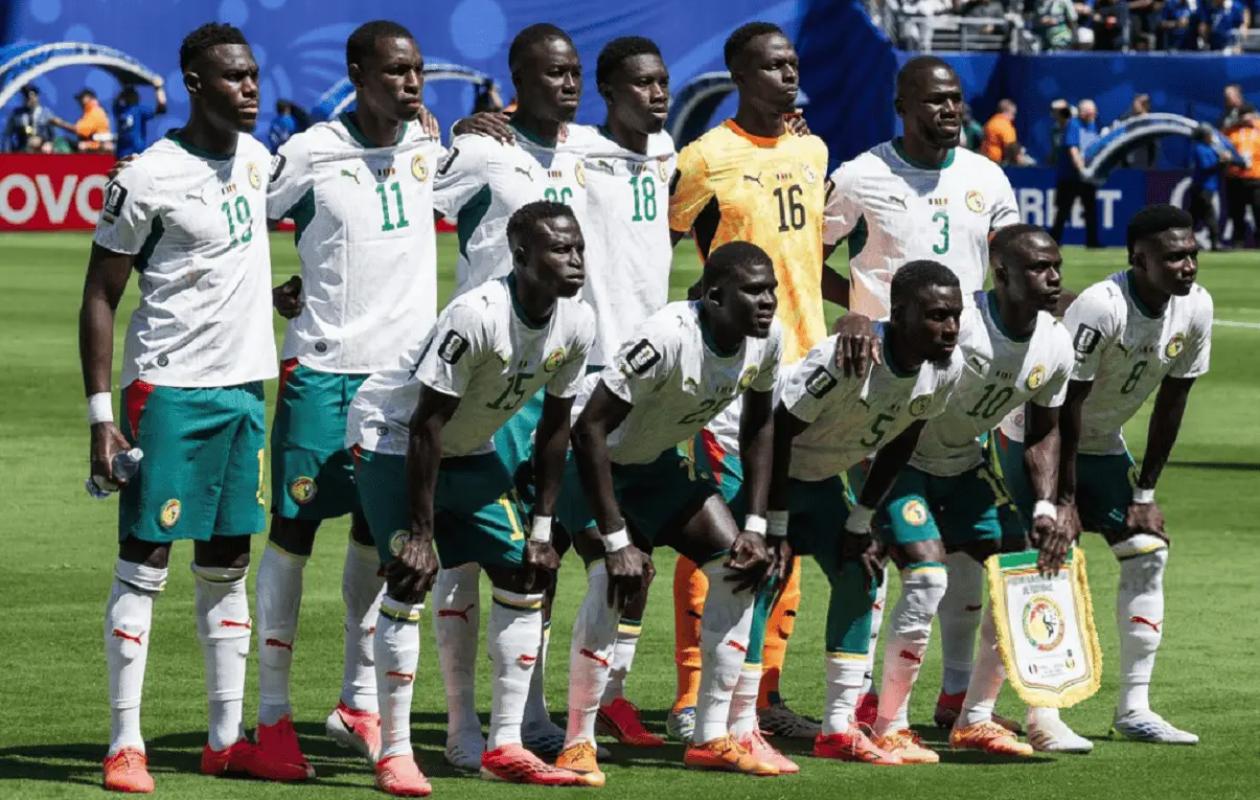
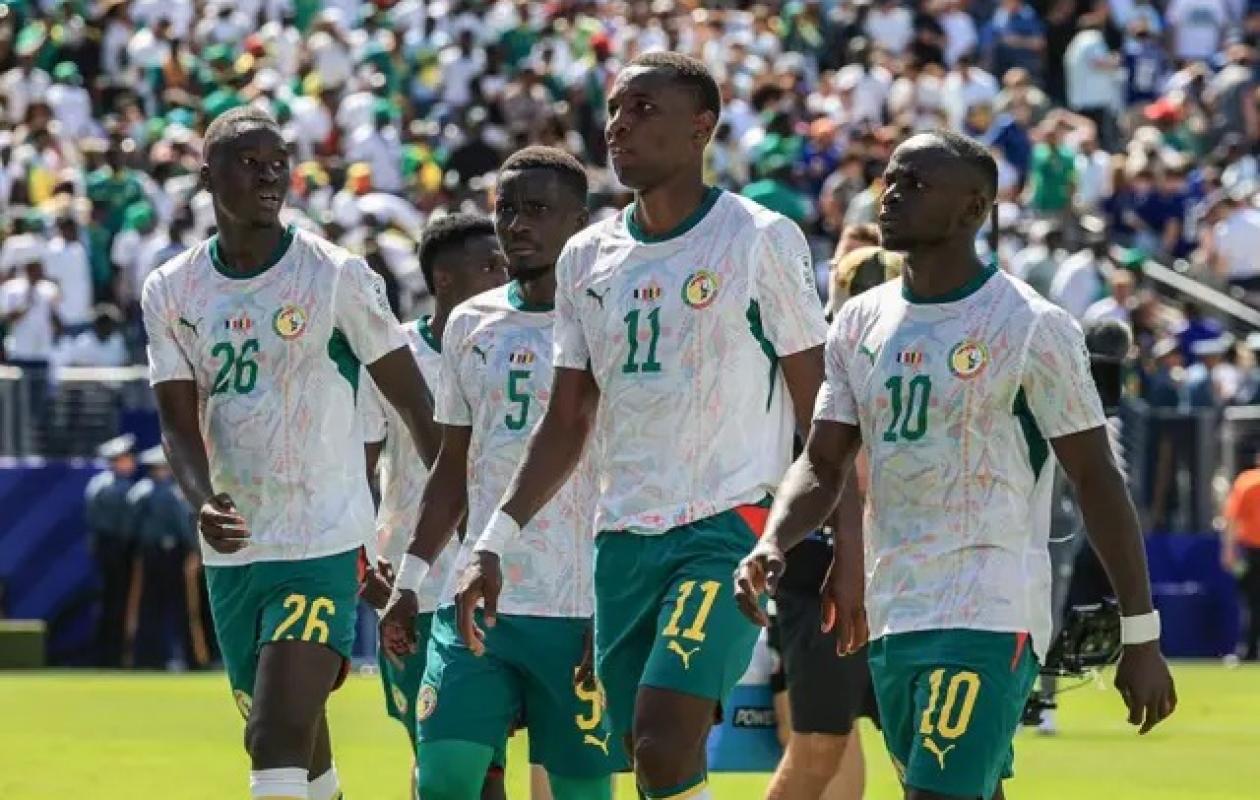
In contrast: Senegal and the imperative of sustainable debt
By comparison, Senegal presented its 2026 Finance Bill in a particularly tense political and financial context. Following the discovery of "hidden debt," the country suffered a series of downgrades by rating agencies, and negotiations with the International Monetary Fund (IMF) have stalled.
In this context of high financial tension, the main challenge for Dakar is to find a sustainable debt trajectory.
As a result, Senegal's 2026 budget is set at 11,678 billion CFA francs (17.8 billion euros), compared to 13,086 billion CFA francs in 2025. Unlike its neighbour, this represents a significant decrease of 10.75% in the budget compared to the previous year, illustrating the austerity policies necessary to control its public debt.









Commentaires (30)
Un régime composé de nullards qui se partagent tout l'argent.
Le président reçoit 11 milliards de fonds politiques par an soit 916 millions par mois.
Le premier ministre inculte reçoit 9 milliards de fonds politiques par an soit 750 millions par mois.
Ils sont incapables de payer les bourses des étudiants mais prêts à distribuer 5 milliards aux délinquants et assassins qu'ils appellent détenus politiques.
Le Sénégal regrette
Quel manque de rigueur chez nos journalistes.
La Côte d'Ivoire a toujours devancé le Sénégal sur le plan budgétaire.
Maintenant vous avez le plein droit de faire de la politique politicienne.
⸻
📊 Chiffres clés 2026
• Recettes prévues : 6 188,8 milliards de FCFA. 
• Dépenses totales : 7 433,9 milliards de FCFA. 
• Déficit budgétaire envisagé : ≈ 5,37 % du PIB.
Par contre la côte d ivoire est à 15 000 milliards plus du double du Sénégal
Participer à la Discussion
Règles de la communauté :
💡 Astuce : Utilisez des emojis depuis votre téléphone ou le module emoji ci-dessous. Cliquez sur GIF pour ajouter un GIF animé. Collez un lien X/Twitter, TikTok ou Instagram pour l'afficher automatiquement.