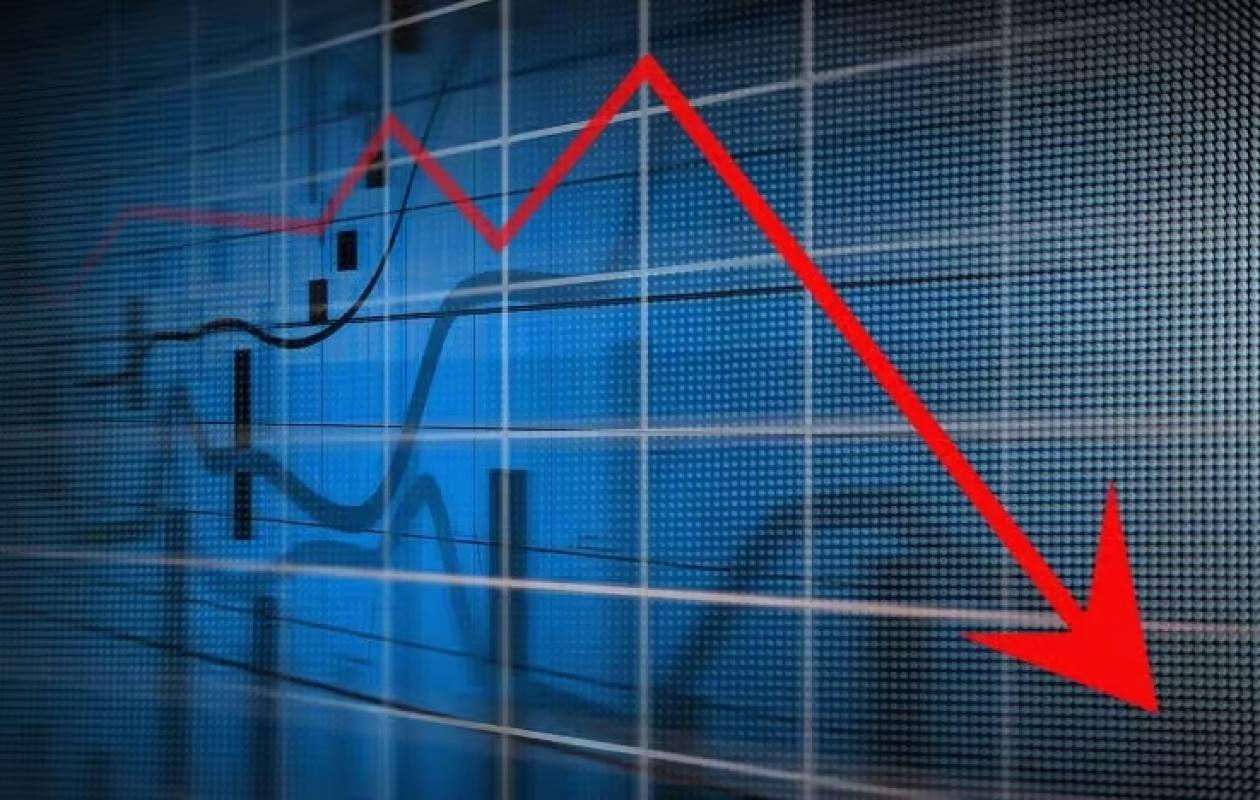
Déficit commercial chronique, le signal d’alarme d’une économie sous perfusion extérieure
The trade deficit has become a recurring feature of the Senegalese macroeconomic landscape. Imports consistently exceed exports, creating an imbalance that is no longer an exception. Each year, the gap amounts to trillions of CFA francs, reflecting an economy where domestic demand surpasses export-oriented production capacity.
A trade deficit is not necessarily a cause for concern when it accompanies a period of massive investment. A transforming economy may import equipment, technologies, and inputs to strengthen its future potential. The imbalance becomes more significant when it results primarily from purchases of consumer goods, energy products, and foodstuffs, without a corresponding increase in high value-added exports.
The structure of trade remains characterized by a concentration on a few export products, notably gold, refined petroleum products, phosphates, and certain fisheries resources. Conversely, imports cover a broad spectrum, ranging from fuels and rice to machinery, vehicles, and manufactured goods. This configuration exposes the economy to fluctuations in global prices and the volatility of trade flows.
The deficit is financed by external contributions, including direct investment, international borrowing, and remittances from the diaspora. As long as these flows remain dynamic, the external balance is maintained. However, this dependence makes the economy more vulnerable to a financial downturn or an international shock affecting foreign exchange earnings.
The chronic nature of the deficit points to a deeper issue. It reveals the limitations of a still relatively undiversified production system and insufficient industrial transformation. When local production fails to meet domestic demand and exports remain concentrated, the trade imbalance tends to recur.
Reducing this gap requires a strategy focused on moving upmarket, improving competitiveness, and developing integrated value chains. Without structural changes, the trade deficit will continue to act as a leading indicator of productive weaknesses, far more than a mere figure recorded in external statistics.






















Commentaires (6)
Participer à la Discussion
Règles de la communauté :
💡 Astuce : Utilisez des emojis depuis votre téléphone ou le module emoji ci-dessous. Cliquez sur GIF pour ajouter un GIF animé. Collez un lien X/Twitter, TikTok ou Instagram pour l'afficher automatiquement.