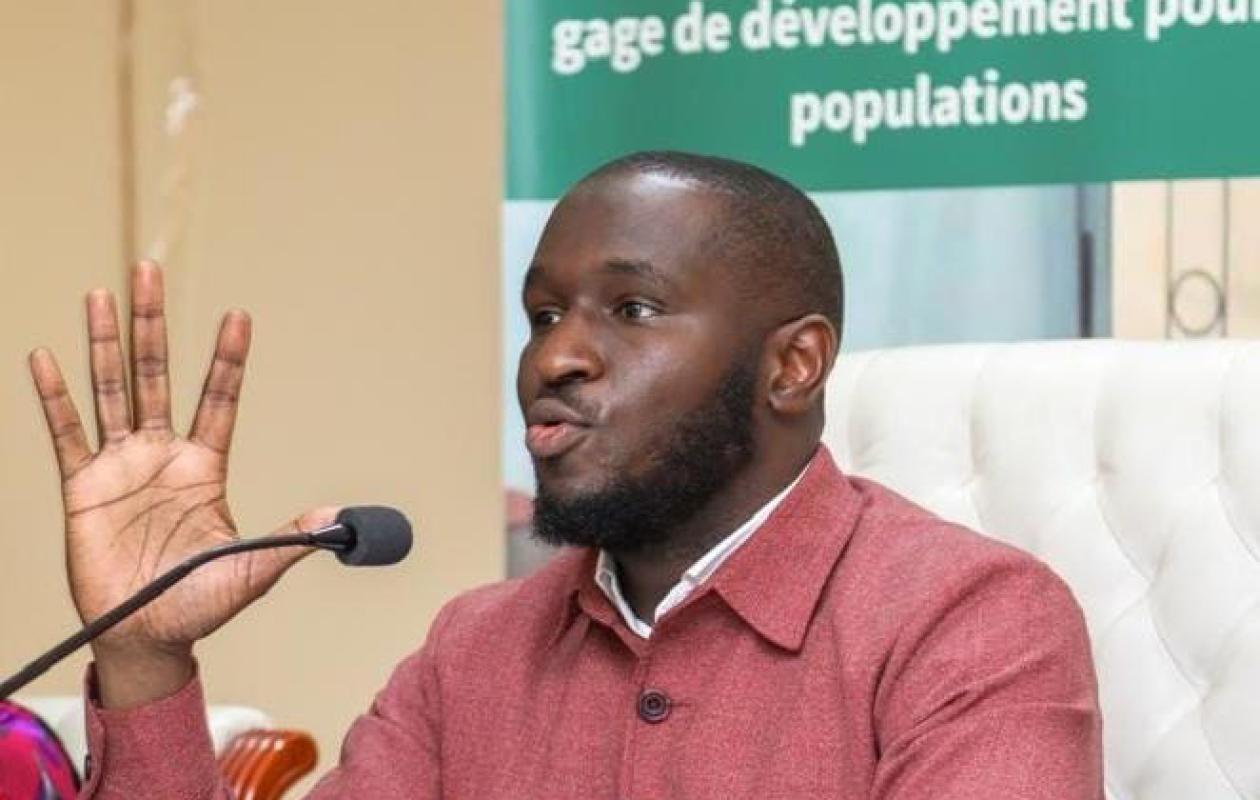
[Entretien] Maleine Amadou Niang : « Il faut relancer l’économie sur la base du potentiel, pas seulement sur la fiscalité »
As Senegal begins implementing its ambitious Economic and Social Recovery Plan, public finance expert Maleine Amadou Niang shares his analysis on August 9, 2025. In this interview with Seneweb, he praises the government's planning efforts, while advocating for a more realistic approach based on national economic potential, beyond an exclusive reliance on taxation.
You followed the Prime Minister's presentation of the economic recovery plan. What is your initial reading?
First, I welcome the fact that the government's action is planned, which is a positive point that should be appreciated. However, critical reflection is required. On the tax front, the plan is in line with the budget documents prepared this year, such as the quarterly implementation reports or the DPPB, with a notable effort to mobilize revenue.
But you have some reservations...
Yes, I would like to emphasize the economic dimension of the plan. Financing 90% of the plan with domestic resources is extremely ambitious. For this revenue mobilization to be realistic, a sufficiently dynamic economy is required. However, given the current public finance figures and the state of our economy, this objective seems difficult to achieve without solid economic levers.
What economic levers should be activated in this case?
We must instill a message of hope. Senegal is a young country, endowed with rich natural resources. It is essential to remobilize the private sector, stimulate entrepreneurship, particularly in the agricultural and industrial sectors, and above all, decentralize wealth production. We cannot hope for significant tax revenues if wealth remains concentrated in Dakar. Furthermore, targeted and structured management of public spending is essential.
So reducing the state's standard of living would be a good lever?
This is a positive step. Reducing the size of the parastatal sector, which is often a drain on budgetary resources, is necessary. However, it is not enough. A paradigm shift is needed by developing a strong entrepreneurial culture and restoring a healthy relationship between the state, citizens, and the private sector, with the latter being recognized as a pillar of development, not a marginal player.
Should we therefore understand that economic recovery must necessarily involve public investment?
Absolutely. The recovery must rely on public procurement, but also on structural public investment. It also requires industrialization, technical and vocational training, and the development of our youth. It is these productivity gains that will generate added value and, consequently, the necessary fiscal resources.
You also raise the issue of the diaspora. What can it contribute to the plan?
The diaspora represents a potential financial windfall, but it won't invest without strings attached. It's necessary to establish a bond of trust, propose bankable projects, guarantee their profitability, and honor commitments. Too often, members of the diaspora have fallen victim to scams, particularly in real estate. To mobilize their savings, a clear, transparent, and secure framework is essential.
Another point that has been highlighted, and no less important, is the renegotiation of strategic contracts. Are you in favor of this?
In principle, yes. It is a right of peoples to self-determination. However, we must remain realistic: most of these contracts include stabilization clauses, limiting the scope for renegotiation to 20 to 25 years. These agreements, governed by international law, fall under the jurisdiction of arbitration, and their resources cannot be mobilized in the short term.
And on strengthening transparency, with the publication of reports?
This is an excellent initiative. However, publishing the reports is not enough. They must be used by the National Assembly, the Court of Auditors, the press, and civil society. A country reaches maturity when public debate is based on open, reliable, and regularly used information. Accountability requires rigorous use of these tools.
Senegal's public resources are limited. Optimizing them requires objective analyses conducted by competent stakeholders. I therefore invite civil society and the media to strengthen their capacities, particularly in public finance. It is through this collective intelligence that the recovery will truly benefit the Senegalese people.






![[Exclusif] Affaire Pape Cheikh Diallo : Nouveau coup de filet de la gendarmerie, 4 suspects arrêtés](https://image.seneweb.com/content/news/2026-10-03//thumb_1260x800_69a7405538b07_WquqgEAmOr.jpg)








Commentaires (5)
Rien de nouveau dans ce pays
Reconnaitre les ambitions et les efforts du régime en place et surtout propose de pistes de solutions.
Participer à la Discussion
Règles de la communauté :
💡 Astuce : Utilisez des emojis depuis votre téléphone ou le module emoji ci-dessous. Cliquez sur GIF pour ajouter un GIF animé. Collez un lien X/Twitter, TikTok ou Instagram pour l'afficher automatiquement.